
Robotics and AI in Manufacturing for Speedy Recycling
Şu kitabın bölümü:
Fedai,
Y.
(ed.)
2025.
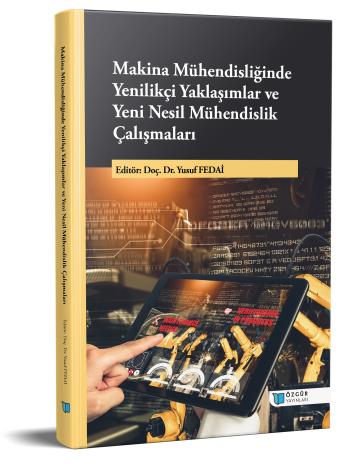
Makina Mühendisliğinde Yenilikçi Yaklaşımlar ve Yeni Nesil Mühendislik Çalışmaları.
Özet
Recycling is becoming more popular around the world because people are now more concerned about the effects of waste on the environment and because we need to conserve resources. The circular economy depends on recycling to achieve its goals of pollution reduction and resource conservation and carbon emission reduction. However, the sorting and processing of recyclables especially at the material recovery facilities (MRFs) is still a big issue. As of now, conventional methods that depend on the use of human labor are ineffectual, imprecise and time consuming. There is a solution to this problem based on robotics and artificial intelligence (AI) that can enhance the speed, accuracy and efficiency of the recycling processes. Autonomous systems equipped with sensors and actuators perform material sorting of plastics and metals and paper more effectively than human sorters. Collaborative robots (cobots) further enhance operational flexibility and system integration. Deep learning operates as an artificial intelligence system which enables real-time decision making and adaptive control for sorting operations. However, there are problems such as high costs and material variation, it is predicted that robotics and AI will increase the application rate and improve recycling efficiency and sustainability in the future. The current state of robotics and AI technology in recycling operations serves as the main focus of this chapter which also explores upcoming trends and concepts for these systems to boost recycling efficiency and environmental sustainability.
Kaynakça Gösterimi
Lisans

Bu çalışma Creative Commons Attribution-NonCommercial 4.0 International License ile lisanslanmıştır.
Yayın Tarihi
DOI
Kategoriler
Telif Hakkı (c) 2025 Yusuf Fedai; Furkan Öz- Ahmet Samancı- Tuğçe Tezel- Volkan Kovan- Gökhan Öztürk- Ömer Ali Karaman- Mustafa Melikşah Özmen- Bekir Aksoy- Berrin Denizhan- Onur Denizhan