
Carbonic Anhydrase Inhibitors: Molecular Structures, Mechanistic Features and Therapeutic Applications
Şu kitabın bölümü:
Karakurt,
P.
&
Fırat,
M.
(eds.)
2025.
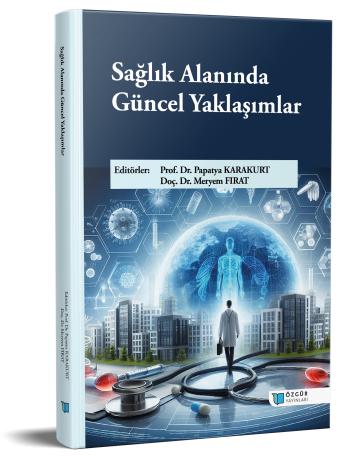
Sağlık Alanında Güncel Yaklaşımlar.
Özet
Carbonic anhydrases (CAs) are a large family of zinc-dependent metalloenzymes that catalyse the reversible hydration of carbon dioxide to bicarbonate and protons, a reaction fundamental to acid–base homeostasis, gas exchange, ion transport and metabolic regulation. Multiple CA isoforms exhibit distinct cellular localisations and tissue-specific expression patterns, reflecting their diverse physiological and pathological roles. Carbonic anhydrase inhibitors (CAIs) have long been used in the management of conditions such as glaucoma, altitude sickness and epilepsy; however, advances in structural biology, medicinal chemistry and molecular pharmacology have significantly expanded their therapeutic relevance. Detailed crystallographic and computational studies have revealed multiple inhibitor binding modes within the zinc-coordinated active site, enabling the rational design of isoform-selective compounds with improved efficacy and reduced systemic side effects. In particular, tumour-associated isoforms such as CA IX and CA XII have emerged as prominent targets due to their involvement in pH regulation, cellular adaptation to hypoxia and disease progression. Beyond oncology, CAIs are increasingly investigated for their potential roles in neurological, inflammatory, metabolic and infectious diseases. This chapter provides a comprehensive overview of carbonic anhydrase isoenzymes, their structural and biochemical characteristics, mechanisms of inhibition and the diversity of inhibitor classes. Emphasis is placed on structure–activity relationships and isoform selectivity as key determinants for the development of next-generation carbonic anhydrase inhibitors with broad therapeutic potential.
Anahtar Kelimeler:
Kaynakça Gösterimi
Lisans

Bu çalışma Creative Commons Attribution-NonCommercial 4.0 International License ile lisanslanmıştır.
Yayın Tarihi
DOI
Kategoriler
Telif Hakkı (c) 2025 Papatya Karakurt- Meryem Fırat; Amine Nur Arıkan- Ayçin Köycekaş- Yahya Ateşpolat- Müdriye Yıldız Bıçakçı- Arif Caner Erdoğan- Bilgenur Karaçor- Mehmet Elmalı- Bürke Çırçırlı- Mert Can Emre- Cihan Adanaş- Sezai Özkan- Elem Kocaçal- Ertuğrul Sarı- İlyas Ün- Esra Kuran- Eren Canbolat- Mahir Coşkun- Azad Duman- Merve Kandazoğlu Erdem- Betül Karabudak- Simge Erdal- Meryem Fırat- Burcu Demir Gökmen- Mine Cengiz- Naime Çelik- Rauf Melekoğlu- Ayse Sebnem Erenler- Sanem Can Sarıoğlu- Esra Buğra- Deniz Uğur Cengiz- Selen Özdemir- Şeyda Yetginler Memiş- Ümit Topcuoğlu- Yasin Özden- Zehra Güveren- Gül Bülbül Maraş- Ahmet Utuş