
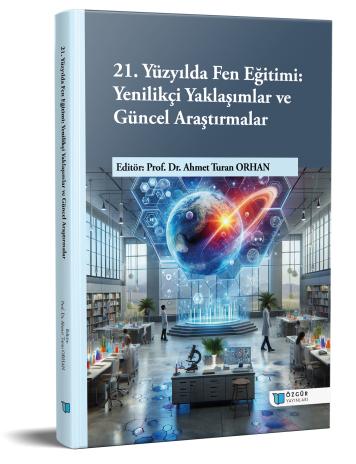
In Light of Current Research: The Integration of Artificial Intelligence and STEM in Science Education
Şu kitabın bölümü:
Orhan,
A.
T.
(ed.)
2026.
21. Yüzyılda Fen Eğitimi: Yenilikçi Yaklaşımlar ve Güncel Araştırmalar.
Özet
The technological changes and transformations of the 21st century have brought to the forefront the need to utilize digital literacy skills in science education, making the use of innovative approaches in the teaching and learning process necessary. In this context, prominent pedagogical approaches have emerged in science education; a review of the current literature reveals that the STEM approach and artificial intelligence integration have become a significant research focus. This section examines the trends and findings of studies conducted on the integration of STEM and artificial intelligence in science education in 2020 and beyond, in light of the existing literature. The literature shows that AI-supported STEM applications positively contribute to students' conceptual understanding, academic achievement, problem-solving skills, critical thinking skills, motivation, self-efficacy, class participation, creativity, and 21st-century skills. At the same time, the use of generative artificial intelligence tools in STEM applications enables the personalisation of learning environments and is recognised in the literature as an important element supporting problem-solving and design processes. Furthermore, technical infrastructure deficiencies and access problems arise when using AI tools in STEM education; Ethical dimensions such as data privacy and algorithm bias stand out as elements that need to be considered in the integration process. Another important factor in this process is the ability of practitioners to use artificial intelligence effectively from a pedagogical perspective, and for this, the development of practical in-service training programs is necessary. In conclusion, it can be stated that AI-supported STEM integration is a process that must be planned and evaluated within the framework of pedagogical foundations and ethical responsibilities, beyond being merely a technological innovation.
Anahtar Kelimeler:
Kaynakça Gösterimi
Lisans

Bu çalışma Creative Commons Attribution-NonCommercial 4.0 International License ile lisanslanmıştır.
Yayın Tarihi
DOI
Kategoriler
Telif Hakkı (c) 2026 Ahmet Turan Orhan; Sümeyya Kuş Gürbey- Uğur Büyük- Hatice Sena Yıldırım- Hamdi Karakaş- Habibe Karaal- Cenk Yoldaş- Ayşenur Yazar- Özge Kol- Mehmet Akif Arduç