
Investor Allocations, Use-of-Funds and Underpricing at Borsa Istanbul
Şu kitabın bölümü:
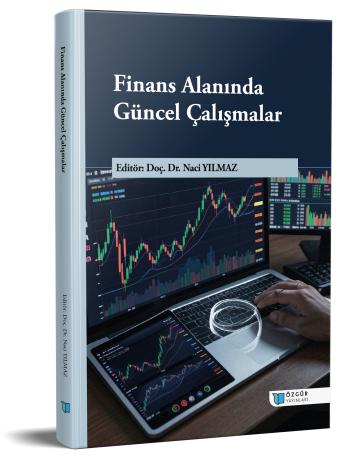
Yılmaz,
N.
(ed.)
2026.
Finans Alanında Güncel Çalışmalar.
Özet
This study reviews allocation of shares and use-of-funds in 343 initial public offerings between 2010 and 2026 at Borsa Istanbul. The information is crucial to determine why companies go public, how they raise capital and intend to spend the collected proceeds. Four classes of investors; domestic and foreign institutions, retail investors, and qualified investors, as well as three uses of funds; investment, debt payment, and working capital, are defined to identify the sources and uses of capital. Findings show that the market experienced a recent shift in investor profile, retail investors and domestic institutions increasing their participation and moving in to the space evacuated by foreign institutions.
Pecking order theory and market timing – window of opportunity hypothesis are considered to explain going public decision. The pecking order explanation suggests that companies would issue equity to finance deficit only after internal funds and borrowing options are exhausted. Issuing equity to finance debt or working capital deficit may give negative quality signals due to disproportionate information costs associated with equity and indicate inability to generate earnings or borrow. In this equilibrium, companies would issue equity mostly to finance investment opportunities. Market timing explanation implies that issuers may time the market to exploit the positive sentiment in hot periods. These offerings may carry negative signals and be primarily motivated by a desire to reduce debt or improve working capital. Their investors may suffer from the winner’s curse by investing in unattractive companies.
Consistent with the pecking order theory, findings show that investment is the dominant use-of-funds intention regardless of the time and investor profile in the market. Market timing hypothesis is partially supported, as improving working capital becomes more important in recent years due to pandemic-induced liquidity crunch and macroeconomic conditions. The evidence does not support the winner’s curse explanation that issuers exploit retail investors and allocate more shares to them in lower quality offerings where debt reduction and/or working capital are the primary motivations for going public. Overall, results indicate that investor profile has permanently changed and investors do not suffer from adverse selection as far as allocation of shares and capital are concerned. This result may be attributed to better investor protection regulations and investors’ insensitivity to quality signals due to embedded short-termism in their investment behaviour.
Kaynakça Gösterimi
Lisans

Bu çalışma Creative Commons Attribution-NonCommercial 4.0 International License ile lisanslanmıştır.
Yayın Tarihi
DOI
Kategoriler
Telif Hakkı (c) 2026 Melik Kamışlı; Naci Yılmaz; Naci Yılmaz- Burak Korkusuz- Oktay Turan- Batuhan Medetoğlu- Sonay Akar- Gizel Busem Sayıl- Semra Demir- Halilibrahim Gökgöz- K. Batu Tunay- Necla Tunay- Meltem Keskin- Lokman Tütüncü- Şinasi Furkan Yıldırım- Berk Yıldız- Cansu Çilingir Kara- Melek Özlem Ayas Cin- Kemal Özdemir