
Digital Leadership
Şu kitabın bölümü:
Oktaysoy,
O.
&
Elkırmış,
Ö.
(eds.)
2025.
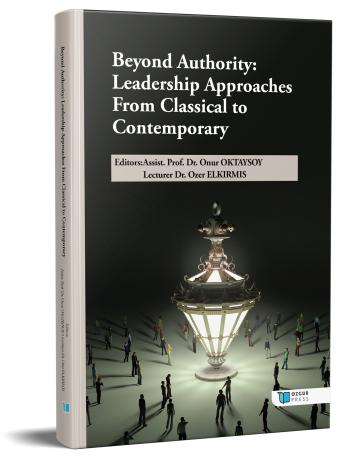
Beyond Authority: Leadership Approaches From Classical to Contemporary.
Özet
In today's world of accelerating digitalization, the concept of leadership is no longer just a managerial function, but has become a fundamental element that determines the strategic orientation and sustainable success of organizations. The uncertainty, speed, and complexity of the digital age render traditional leadership approaches inadequate and necessitate a new form of leadership that integrates technology, strategy, and human-centeredness. In this context, digital leadership is defined as a leadership style that can use the opportunities offered by digital technologies in line with strategic goals, guide organizations in digital transformation processes, and maintain a human-centered approach by supporting cultural transformation in this process. The importance of digital leadership stems from its power to transform not only the way organizations use technological tools but also their organizational culture, business methods, and innovation capacity. Studies in the literature reveal that digital leadership has direct and indirect effects on organizational agility, employee performance, and competitive advantage. However, resistance to change, lack of digital skills, and difficulty in adapting to rapid technological developments are among the main challenges faced by digital leaders. This study aims to provide a comprehensive framework on the definition of the concept of digital leadership, its theoretical foundations, its importance for organizations and employees, the competencies that digital leaders should have, and the organizational reflections of their practices, the problems encountered in digital leadership implementation processes, and solution suggestions.
Anahtar Kelimeler:
Kaynakça Gösterimi
Lisans

Bu çalışma Creative Commons Attribution-NonCommercial 4.0 International License ile lisanslanmıştır.
Yayın Tarihi
DOI
Kategoriler
Telif Hakkı (c) 2025 Onur Oktaysoy- Özer Elkırmış; Erdogan Kaygın- Mustafa Altıntaş- Mehmet Selman Kobanoğlu- Ali Bayram- Selen Uygungil-Erdoğan- Yaşar Şahin- Burcu Turan Torun- Ethem Topçuoğlu- Erdi Bozkır- Talip Bektaş- Vurgun Topçuoğlu- Serdal Özkes- Onur Oktaysoy- Özer Elkırmış- M. Akif Yenikaya- Ebru Uluçay Bektaş- Bilal Kobanoğlu- Mahmut Özdemirkol