
Ethnoscience in Science Education
Şu kitabın bölümü:
Orhan,
A.
T.
(ed.)
2025.
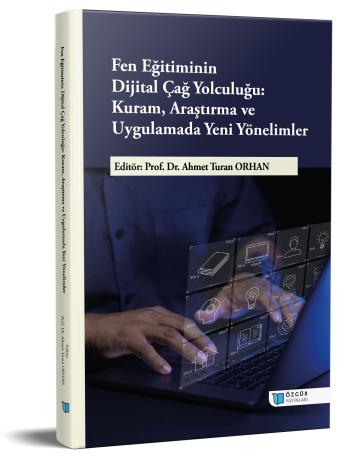
Fen Eğitiminin Dijital Çağ Yolculuğu: Kuram, Araştırma ve Uygulamada Yeni Yönelimler.
Özet
This study aims to examine the theoretical and pedagogical dimensions of ethnoscience integration in science education. Designed as a qualitative review, the research analyzed national and international sources published between 2015 and 2025, systematically evaluating the current challenges in science teaching and the potential solutions offered by ethnoscience. Findings indicate that science education is often perceived as abstract and disconnected from everyday life, negatively affecting students’ scientific process skills and learning retention.
Ethnoscience emerges as a powerful pedagogical approach, enabling students to relate their cultural experiences to scientific concepts, thereby making learning more meaningful, durable, and functional. Incorporating local knowledge systems into science curricula not only contributes to the preservation of cultural heritage but also enhances students’ scientific literacy, critical thinking, and creative problem-solving skills. However, teacher competencies, limited instructional materials, and curriculum rigidity represent significant barriers to the widespread implementation of this approach. The study highlights the theoretical foundations of ethnoscience-based science education while offering recommendations for educational policies and teacher training.
Anahtar Kelimeler:
Kaynakça Gösterimi
Lisans

Bu çalışma Creative Commons Attribution-NonCommercial 4.0 International License ile lisanslanmıştır.
Yayın Tarihi
DOI
Kategoriler
Telif Hakkı (c) 2025 Ahmet Turan Orhan; Erhan Ceylan- Özgür Özünlü- Oktay Göktaş- Selda Bakır- Ekrem Dağ- Kevser Şentürk- Ayberk Bostan Sarıoğlan- Esra Sayar- Erdem Gencal- Hasan Genç- Huriye Deniş Çeliker