
Unwanted Pregnancies and Induced Abortions
Chapter from the book:
Aydın Doğan,
R.
&
Hüseyinoğlu,
S.
(eds.)
2025.
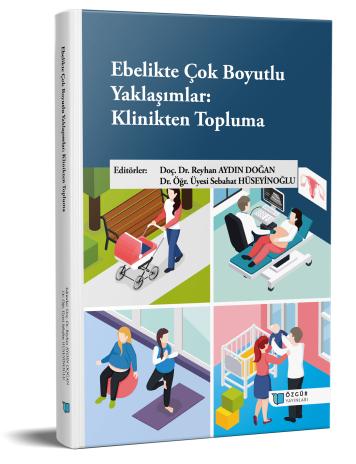
Multidimensional Approaches in Midwifery: From Clinic to Community.
Synopsis
Unintended pregnancies remain a major public health problem worldwide, adversely affecting women’s health, quality of life, and social structures. This review study examines the definition, prevalence, and causes of unintended pregnancies, their impact on disadvantaged groups, induced abortions and related complications, global and national (Türkiye) rates, legal regulations, and strategies for prevention and reduction. The literature indicates that the main determinants of unintended pregnancies include inadequate or ineffective use of contraception, lack of knowledge, socioeconomic disadvantages, gender inequalities, and barriers to accessing health services. The risk is particularly higher among vulnerable groups such as adolescents, unmarried women, and sex workers. Unintended pregnancies may lead to adverse maternal and neonatal outcomes, an increase in unsafe abortions, psychological problems, and significant socioeconomic losses. The findings highlight that comprehensive sexual and reproductive health education, accessible and high-quality family planning services, the active role of midwives, supportive legal frameworks, and community-based awareness initiatives are critical in reducing unintended pregnancies. Protecting and empowering women’s reproductive rights is considered a fundamental requirement for achieving sustainable development goals.
How to cite this book
License

This work is licensed under a Creative Commons Attribution-NonCommercial 4.0 International License.
Published
DOI
Categories
Copyright (c) 2025 Reyhan Aydın Doğan- Sebahat Hüseyinoğlu; Canan Selvihan İlhan- Reyhan Aydın Doğan- Yasemin Aydın Kartal- Begüm Can- Kübra Şerif Öztürk- Nesrin Arslan- Nurten Özçalkap- Sibel Karakoç- Yeliz Atasoy- Hatice Acar Bektaş- Kübra Özcan- Fatıma Betül Yılmaz- Nargizahon Erkaboeva- Yeter Çuvadar Baş- Rukiye Karabacak- Feyza Nur Altınbaş- Kübra Nur Kılıç- Maral Ovezova- Hilal Kabakçı- Müge Demir- Merve Akıncı- Ayşe Melike Düzyer- Ebru Sağıroğlu- Sebahat Hüseyinoğlu- Yaren Buse Cantimur- Merve Afacan Satıoğlu