
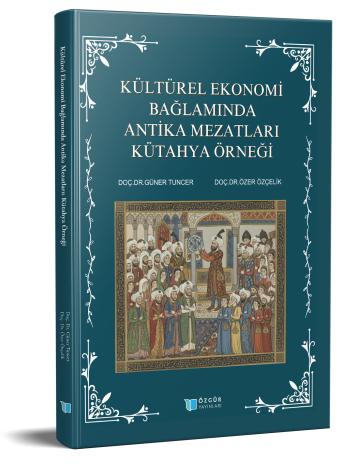
Kültürel Ekonomi Bağlamında Antika Mezatları: Kütahya Örneği
İndir
Özet
Kültür ile ekonomi arasındaki ilişki, son otuz yılda sosyal bilimler literatüründe giderek artan bir ilgi alanı hâline gelmiştir. Kültürel üretimin yalnızca estetik ya da sembolik bir faaliyet olmadığı; istihdam, gelir yaratımı ve bölgesel kalkınma süreçleriyle doğrudan ilişkili olduğu yönündeki yaklaşımlar, kültürel ekonomiyi bağımsız bir analiz alanı olarak öne çıkarmıştır. UNESCO, OECD ve Avrupa Birliği gibi uluslararası kurumların raporlarında kültürel ve yaratıcı sektörlerin yerel kalkınma, sosyal bütünleşme ve sürdürülebilir büyüme açısından stratejik bir rol oynadığı vurgulanmaktadır. Bu çerçevede kültürel ekonomi, kültürel değer üretimi ile ekonomik değer yaratımı arasındaki karşılıklı etkileşimi inceleyen çok boyutlu bir alan olarak tanımlanmaktadır.
Kültürel ekonomi literatüründe ağırlıklı olarak yaratıcı endüstriler, kültür turizmi, kültürel miras alanları ve sanat piyasaları üzerine yapılan çalışmalar öne çıkmaktadır. Buna karşın kültürel üretimin gündelik ve yerel biçimleri, özellikle informel ya da yarı-formel piyasa yapıları, görece sınırlı biçimde ele alınmaktadır. Oysa antika mezatları, ikinci el kültürel nesnelerin dolaşıma girdiği, sembolik anlamların yeniden üretildiği ve sosyal etkileşimin yoğunlaştığı özgün kültürel-ekonomik mekânlar olarak bu boşluğu doldurabilecek önemli örnekler sunmaktadır. Antika mezatları, yalnızca ticari işlemlerin gerçekleştiği alanlar değil; aynı zamanda kültürel hafızanın, tarihsel anlatıların ve estetik değerlerin müzakere edildiği kamusal sahnelerdir.
Bu çalışma, Kütahya’da düzenlenen antika mezatlarını kültürel ekonomi perspektifinden analiz etmeyi amaçlamaktadır. Tarihsel derinliği, kültürel miras birikimi ve özellikle çinicilik geleneğiyle öne çıkan Kütahya, kültürel mirasın ekonomik dolaşıma girdiği ve yerel kültürel kimliğin yeniden üretildiği özgün bir araştırma alanı sunmaktadır. Araştırma, antika mezatlarının kültürel ekonomideki yerini, işleyişini ve karşılaştığı yapısal sorunları makro, mezo ve mikro düzeylerde ele almaktadır. Bu kapsamda kamu politikaları ve hukuki çerçeve gibi makro düzey faktörler; piyasa yapıları, dijitalleşme ve kültürel temsil gibi mezo düzey dinamikler; bireysel aktörlerin motivasyonları, sosyal ağları ve koleksiyon pratikleri gibi mikro düzey süreçler birlikte analiz edilmiştir.
Nitel araştırma yaklaşımı çerçevesinde gerçekleştirilen derinlemesine görüşmelerden elde edilen bulgular, antika mezatlarının yalnızca ekonomik faaliyet alanları değil; aynı zamanda kültürel değer üretiminin, toplumsal etkileşimin ve kuşaklar arası aktarımın gerçekleştiği çok katmanlı mekânlar olduğunu ortaya koymaktadır. Çalışma, bu yönüyle kültürel ekonomi literatürüne yerel ve gündelik kültürel piyasalara ilişkin alan araştırmasına dayalı katkılar sunmakta; kültürel mirasın korunması ile ekonomik değer yaratımı arasında dengeli ve sürdürülebilir bir yönetişim modeline yönelik politika ve kurumsal tasarım önerileri geliştirmektedir.
Anahtar Kelimeler:
Kaynakça Gösterimi
Lisans

Bu çalışma Creative Commons Attribution-NonCommercial 4.0 International License ile lisanslanmıştır.
Yayın Tarihi
ISBN
DOI
İstatistikler
Kategoriler
Telif Hakkı (c) 2025 Güner Tuncer- Özer Özçelik