
Vampiric Identity in Transition: From Stoker's Demon to the Ethical Modern Immortal
Chapter from the book:
Öztürk,
A.
S.
&
Tekşen,
İ.
(eds.)
2025.
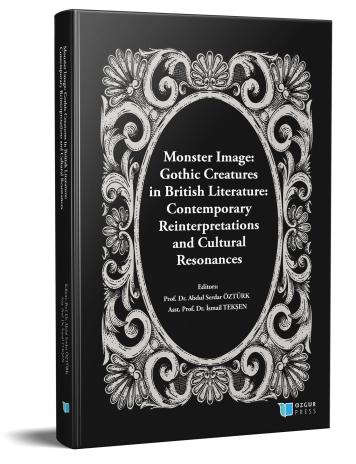
Monster Image: Gothic Creatures in British Literature Contemporary Reinterpretations and Cultural Resonances.
Synopsis
This study explores the evolution of the vampire archetype from Bram Stoker’s Dracula to contemporary reinterpretations, focusing on the shifting cultural, religious, and psychological meanings attributed to vampiric figures. By analysing Stoker’s depiction of the Count as an embodiment of darkness, spiritual corruption, and metaphysical threat, the text highlights how early vampire literature relied on religious binaries and sacred symbolism to frame evil as an external, objective force. In contrast, modern narratives - exemplified by works such as Twilight—recast the vampire as a conflicted, sympathetic figure whose monstrosity is internalized and humanized. This transformation aligns with broader cultural trends including rising secularism, changing moral frameworks, the popular fascination with morally ambiguous villains, and the psychological exploration of identity. The study argues that the vampire myth functions as a cultural mirror, adapting to society’s evolving anxieties, desires, and uncertainties. Through close reading and comparative analysis, it demonstrates how the transformation of the vampire from demonic antagonist to romantic anti-hero reflects fundamental shifts in beliefs about evil, desire, selfhood, and the boundaries between the sacred and the secular. Ultimately, the persistence and adaptability of the vampire figure reveal its enduring usefulness as a symbolic tool for negotiating existential and cultural tensions across time.
How to cite this book
License

This work is licensed under a Creative Commons Attribution-NonCommercial 4.0 International License.
Published
DOI
Categories
Copyright (c) 2025 Abdul Serdar Öztürk- İsmail Tekşen; Ferhat Ordu- Murat Karakaş- Ali Kubat- Selma Parlakay Topbaş- Afranur Yılmaz- Gözde Begüm Mızrak- Ayça Gülünay- Mustafa Canlı- Asım Aydın- Abdullah Boyar- Gökhan Tugay Köksal- Zeliha Kuruducu- Ömer Özdemir- Nihal Topcu- Lokman Şehitoğlu- Tuba Aydan- İsmail Tekşen