
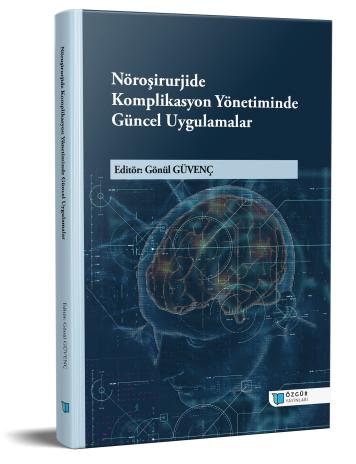
Nöroşirurji Pratiğinde Ürolojik Komplikasyonlar ve Yönetimi
Şu kitabın bölümü:
Güvenç,
G.
(ed.)
2025.
Nöroşirurjide Komplikasyon Yönetiminde Güncel Uygulamalar .
Özet
Nöroşirurji pratiğinde hastanın altta yatan nörolojik patolojisine, uygulanan cerrahi yaklaşıma veya takip ve tedavileri sırasında ürolojik komplikasyonlar sıklıkla görülebilmektedir. Foley kateterizasyonuna bağlı üretral yaralanmalar, obstrüksiyon ve enfeksiyonlar nöroşirurji hastalarında en sık karşılaşılan komplikasyonları oluşturmaktadır. Özellikle anterior ve lateral lomber cerrahi yaklaşımlar sırasında üreterin cerrahi sahaya yakınlığı, fark edilmeyen yaralanmalara neden olarak böbrek fonksiyon kaybı ve sepsis gibi ciddi klinik sonuçlara yol açabilmektedir. Genellikle anterior spinal cerrahi prosedürlerini takiben görülebilen retrograd ejekülasyon, hastaların yaşam kalitesini etkileyen önemli bir fonksiyonel sorun olarak karşımıza çıkmaktadır. Nöroşirurji pratiğinde omurilik yaralanmasına sekonder gelişen nörojenik mesane; idrar retansiyonu, yüksek intravezikal basınç, tekrarlayan enfeksiyonlar ve uzun dönem böbrek hasarı ile seyreden kompleks bir durumdur. Bu komplikasyonların hem sık görülmesi hem de potansiyel olarak ciddi sonuçlara yol açabilmesi, erken tanı, düzenli izlem ve proaktif yönetim stratejilerini ön plana çıkarmaktadır. Multidisipliner yaklaşım ise morbiditenin azaltılmasında ve uzun dönem hasta sonuçlarının iyileştirilmesinde kritik bir rol oynamaktadır.
Anahtar Kelimeler:
Kaynakça Gösterimi
Lisans

Bu çalışma Creative Commons Attribution-NonCommercial 4.0 International License ile lisanslanmıştır.
Yayın Tarihi
DOI
Kategoriler
Telif Hakkı (c) 2025 Gönül Güvenç; Canan Gürsoy- Gülay Öztürk- Mehtap Çullu- Güven Gürsoy- Ozan Aydoğdu- Melih Furkan Durak- Mustafa Türkmen- Ufuk Bozkurt- Gülşah Köse- Metehan Küçükkurt- Gönül Güvenç- Beste Dalbatan- Niyazi Taşkıran- Mertcan Güler- Eda Ceylan