
Lakerda Üzerine Bir İnceleme
Şu kitabın bölümü:
Yazıt,
H.
&
Gençer,
K.
(eds.)
2025.
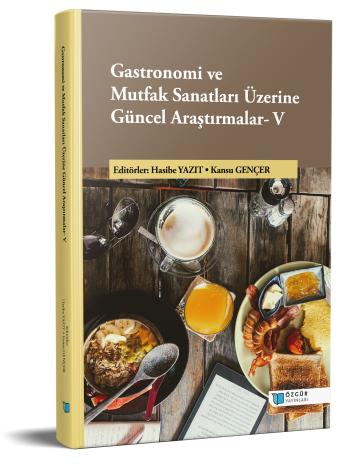
Gastronomi ve Mutfak Sanatları Üzerine Güncel Araştırmalar- V.
Özet
Lakerda, Karadeniz ve Akdeniz coğrafyasında üretilen en eski geleneksel balık muhafaza ürünlerinden biri olarak tarihsel, kültürel ve gastronomik açıdan önemli bir yere sahiptir. Temel olarak Atlantik palamutunun (Sarda sarda) tuzla kürlenmesine dayanan bu yöntem, eski çağlardan günümüze kadar uzanan gıda koruma tekniklerinin sürekliliğini yansıtmaktadır. Tuzlama işlemi, antik dönemlerden itibaren bozulmayı önleyen ve balığın uzun mesafeli ticaretini mümkün kılan temel teknolojilerden biri olarak tanımlanmakta; arkeolojik bulgular ve tarihsel kayıtlar, tuzlanmış balığın MÖ 6. yüzyıldan itibaren Akdeniz ticaret ağlarında önemli bir ürün olduğunu göstermektedir. Roma ve Bizans dönemlerinde başta palamut olmak üzere çeşitli balık türlerinin tuzlanarak ihraç edildiği, Sinop, İstanbul ve çevresinin bu ticarette önemli merkezler olduğu bilinmektedir.
Lakerda üretiminde uygulanan teknikler, kuru tuzlama ve salamura oluşumunu bir arada içeren özgün bir kürleme sürecine dayanmaktadır. Balığın temizlenmesi, kanında arındırılması ve yoğun tuz uygulaması, ürünün mikrobiyolojik stabilitesini sağlarken duyusal kalitesini de belirleyen kritik aşamalardır. Tuzun ozmotik etkisi balık dokusundaki suyu uzaklaştırmakta, doğal salamura oluşumu ise ürünün dokusal özelliklerinin gelişimine katkıda bulunmaktadır. Kürleme süreci boyunca balık düşük sıcaklıkta muhafaza edilmektedir; bu aşama lakerda’nın lezzetini artıran sürece katkı sağlamaktadır.
Günümüzde lakerda hem geleneksel bir ürün hem de modern gastronomi içinde yeniden yorumlanan kültürel bir unsur olarak değerlendirilmektedir. Vakumlu paketleme, kontrollü salamura içerikleri ve düşük tuz alternatiflerinin geliştirilmesi gibi yenilikçi yaklaşımlar, ürünün raf ömrünü uzatmakta ve tüketici beklentilerine uyum sağlamaktadır. Sinop yürütülen çalışmalar, festivaller ve kültürel miras projeleri lakerda geleneğinin korunmasına katkı sağlamaktadır. Lakerda, yalnızca bir gıda ürünü değil; tarihsel, kültürel kimlik ve bilimsel bilgi birikiminin kesiştiği özgün geleneksel gıda örneği olarak değerlendirilmektedir.
Anahtar Kelimeler:
Kaynakça Gösterimi
Lisans

Bu çalışma Creative Commons Attribution-NonCommercial 4.0 International License ile lisanslanmıştır.
Yayın Tarihi
DOI
Kategoriler
Telif Hakkı (c) 2025 Hasibe Yazıt- Kansu Gençer; Atilla Akbaba- Alpay Tırıl- Müesser Korkmaz- Tarık Komşular- Aslı Muslu Can- Ayşen Develioğlu Arslan- Gülsüm Yurtseven- Hasan Samet Tandoğan- Mehmet Sedat İpar- Şüheda Hilal Güven- Gülsün Duran- Mert Can Tekeler- Begüm Dilara Emiroğlu- Betül Yeşiltepe Erkayıran- Mesut Mehmet Demirel- Gülnisa Turan- Hasibe Yazıt- Volkan Aslan