
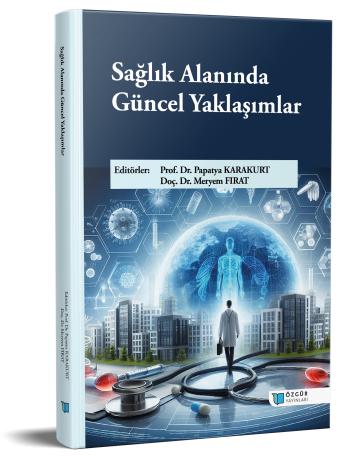
Biyomalzemelerle Sinyal Yolu Modülasyonu: Hücresel Mekanizmalardan Terapötik Uygulamalara
Şu kitabın bölümü:
Karakurt,
P.
&
Fırat,
M.
(eds.)
2025.
Sağlık Alanında Güncel Yaklaşımlar.
Özet
Hücresel sinyal yolları, çok hücreli organizmalarda homeostaz, büyüme ve farklılaşma gibi temel biyolojik süreçlerin biyokimyasal temelini oluşturur. Bu yolların düzensizliği ise kanser ve inflamatuvar hastalıklar dahil pek çok patolojinin gelişiminde anahtar rol oynar. Bu bölüm, biyomalzemelerin sinyal yollarını hedeflemedeki dönüştürücü potansiyelini ele almaktadır. Nanopartiküller, ekzomlar ve uyarıma duyarlı sistemler, terapötik ajanları koruyarak ve hastalıklı dokuya özgül bir şekilde yönlendirerek hem sistemik toksisiteyi azaltmakta hem de ilaç etkinliğini artırmaktadır. Biyomalzeme tasarımında, mekanotransdüksiyon, biyouyumluluk ve yüzey modifikasyonu gibi faktörler, hücre kader kararlarını yönlendiren kritik unsurlardır.
Gelecek perspektifleri, Lab-on-Chip (LoC) sistemleri, sensör entegreli implantlar ve kişiselleştirilmiş 3D/4D biyo-baskı teknolojileri gibi akıllı platformlara odaklanmaktadır. Bu yenilikçi sistemler, yerel biyobelirteç konsantrasyonlarına yanıt veren geri bildirim kontrollü ilaç salımını mümkün kılar. Sinyal rehberliğinde biyomateryal mühendisliği, biyokimyasal bozukluklara karşı bireyselleştirilmiş, hassas ve etkin tedavi stratejilerinin geliştirilmesinde kritik bir rol oynamaktadır.
Anahtar Kelimeler:
Kaynakça Gösterimi
Lisans

Bu çalışma Creative Commons Attribution-NonCommercial 4.0 International License ile lisanslanmıştır.
Yayın Tarihi
DOI
Kategoriler
Telif Hakkı (c) 2025 Papatya Karakurt- Meryem Fırat; Amine Nur Arıkan- Ayçin Köycekaş- Yahya Ateşpolat- Müdriye Yıldız Bıçakçı- Arif Caner Erdoğan- Bilgenur Karaçor- Mehmet Elmalı- Bürke Çırçırlı- Mert Can Emre- Cihan Adanaş- Sezai Özkan- Elem Kocaçal- Ertuğrul Sarı- İlyas Ün- Esra Kuran- Eren Canbolat- Mahir Coşkun- Azad Duman- Merve Kandazoğlu Erdem- Betül Karabudak- Simge Erdal- Meryem Fırat- Burcu Demir Gökmen- Mine Cengiz- Naime Çelik- Rauf Melekoğlu- Ayse Sebnem Erenler- Sanem Can Sarıoğlu- Esra Buğra- Deniz Uğur Cengiz- Selen Özdemir- Şeyda Yetginler Memiş- Ümit Topcuoğlu- Yasin Özden- Zehra Güveren- Gül Bülbül Maraş- Ahmet Utuş