
Pesticides and Oxidative Stress
Chapter from the book:
Karakurt,
P.
&
Fırat,
M.
(eds.)
2025.
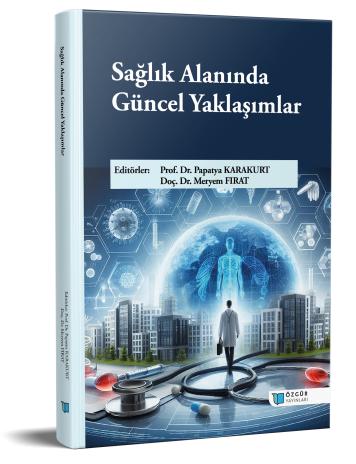
Current Approaches in The Field of Health.
Synopsis
Although pesticides have become an important tool in the modern world due to disease control, increased agricultural yields, and rising aesthetic expectations, human poisoning caused by these substances has long been considered a serious public health problem. Humans are exposed to pesticides through various environmental and occupational routes, including dermal exposure, inhalation exposure, oral ingestion, and transplacental exposure.
Oxidative stress occurs when the balance between the increased formation of reactive oxygen species (ROS) and the organism's capacity to neutralize these reactive molecules or repair the cellular damage that has occurred is disrupted. The toxic effects of pesticides on biological systems include oxidative stress induction, cholinesterase inhibition, endocrine disorders, genotoxicity, neurotoxicity, mitochondrial dysfunction, and epigenetic modifications. Pesticides disrupt antioxidant defense mechanisms by increasing the production of highly reactive oxygen species (ROS), which can result in cellular damage, lipid peroxidation, DNA mutations, and ultimately cancer development. The impaired response exhibited by both enzymatic and non-enzymatic antioxidants, combined with mitochondrial dysfunction, further exacerbates the disruption of oxidative balance.
How to cite this book
License

This work is licensed under a Creative Commons Attribution-NonCommercial 4.0 International License.
Published
DOI
Categories
Copyright (c) 2025 Papatya Karakurt- Meryem Fırat; Amine Nur Arıkan- Ayçin Köycekaş- Yahya Ateşpolat- Müdriye Yıldız Bıçakçı- Arif Caner Erdoğan- Bilgenur Karaçor- Mehmet Elmalı- Bürke Çırçırlı- Mert Can Emre- Cihan Adanaş- Sezai Özkan- Elem Kocaçal- Ertuğrul Sarı- İlyas Ün- Esra Kuran- Eren Canbolat- Mahir Coşkun- Azad Duman- Merve Kandazoğlu Erdem- Betül Karabudak- Simge Erdal- Meryem Fırat- Burcu Demir Gökmen- Mine Cengiz- Naime Çelik- Rauf Melekoğlu- Ayse Sebnem Erenler- Sanem Can Sarıoğlu- Esra Buğra- Deniz Uğur Cengiz- Selen Özdemir- Şeyda Yetginler Memiş- Ümit Topcuoğlu- Yasin Özden- Zehra Güveren- Gül Bülbül Maraş- Ahmet Utuş