
Türkiye’de Biyokütle Enerji Santrallerinin Yeşil Kimya, İSG ve Biyofiziksel Perspektifinden Değerlendirilmesi
Şu kitabın bölümü:
Budak,
Y.
(ed.)
2025.
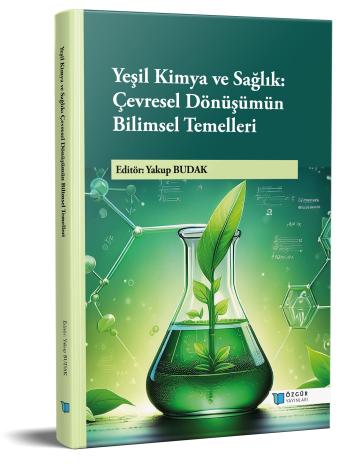
Yeşil Kimya ve Sağlık: Çevresel Dönüşümün Bilimsel Temelleri.
Özet
Yeşil kimya, çevre dostu süreçler ve malzemeler geliştirerek kimyasal üretimde çevresel etkiyi azaltmayı amaçlamaktadır. Plastik yakıtlar, atık plastikleri biyokütle veya diğer yenilenebilir kaynaklarla birleştirerek enerji üretiminde kullanılabilir hale getirmektedir. Biyokütle enerji santrallerinde bu tür yakıtların kullanımı, hem atık yönetimini destekler hem de fosil yakıtlara bağımlılığı azaltmaktadır. Plastik yakıtlar, piroliz veya gazlaştırma gibi yeşil kimya teknolojileriyle biyokütleden elde edilen yakıtlarla harmanlanabilir. Bu yakıtların içten yanmalı motorlarda veya enerji santrallerinde kullanımı, yanma verimliliği ve emisyon kontrolü açısından optimize edilmelidir. Ancak, bu süreçlerde kullanılan ekipmanlar (örneğin, yakıt besleme sistemleri, reaktörler, filtreler, yüksek sıcaklık ve basınç armatürleri vb.) kimyasal maddelere, yüksek sıcaklıklara ve potansiyel toksik gazlara maruz kalabilir. İSG açısından, bu ekipmanların tasarımı, ergonomisi, bakım prosedürleri ve çalışanların maruz kalabileceği risklerin (kimyasal sızıntılar, yangın, patlama) önlenmesi kritik önemdedir. Orman ve tarımsal atıklar ile kanalizyon atık çamurunun bertarafında sıklıkla kullanılan biyokütle santralleri, yüksek sıcaklık ve basınçta çalışan kapların bulunduğu tesislerdir. Bu tesislerde boğucu/ tahriş edici/ yanıcı toz ve/ veya kimyasal maruziyeti yanında kontrolsüz yanma ve patlama hem çevre hem de insan sağlığı açısından olumsuz sonuçlar doğurabilmektedir. Yanma sonucu elde edilen enerjinin elektrik enerjine dönüşüm süreçlerinde karşılaşılabilecek elektrik çarpması ve şokları yanı sıra yüksek frekans ve şiddette titreşim ve/ veya sese maruz kalma gibi insanlarda geçici veya kalıcı engellilik durumu oluşturabilmektedir. Yeşil kimya prensiplerinin güvenli şekilde biyokütle enerji santrallerinde kullanımını ele alan bu bölümde, yanma ve enerji üretim süreçlerinde kullanılan ekipmanların çevresel ve sağlık risklerini azaltacak şekilde nasıl tasarlanıp optimize edilebileceğini, İSG standartlarına uygunluğunu ve çalışan güvenliğini sağlama yöntemlerinin değerlendirilmesi yapılmıştır. Mevcut uygulamalar üzerinden harekete geçerek biyokütle enerji santrallerinde karşılaşılan risklerin, İSG yönetim sistemlerinin hem işveren hem işçi hem de çevresel faktörler açısından bir değerlendirme sunulmuştur.
Anahtar Kelimeler:
Kaynakça Gösterimi
Lisans

Bu çalışma Creative Commons Attribution-NonCommercial 4.0 International License ile lisanslanmıştır.
Yayın Tarihi
DOI
Kategoriler
Telif Hakkı (c) 2025 Yakup Budak; Kayıhan Karaman- Mustafa Ceylan- Necip Zeki Budak- Elif Aktürk Bozdemir- Naciye Selcen Bayramcı- Buğra Keskin- Serap Akdeniz- Meliha Burcu Gürdere- Ayşegül Nazlı Özcan- Gökhan Cabri- Fatih Yaşar- Yüksel Sarıkaya- Yakup Budak- Hasan Basri Karayel- Yavuz Selim Ağaoğlu- Recep Bozdemir