
Ceramic Architectural Surface Design as an Interdisciplinary Field of Interaction: Material, Form, and Narrative
Chapter from the book:
Tanrıverdi,
Y.
(ed.)
2025.
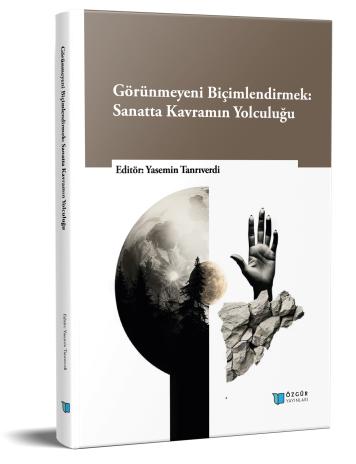
Shaping the Invisible: The Journey of Concept in Art.
Synopsis
Ceramic architectural surface design is a design approach that transforms both the technical and aesthetic dimensions of the architectural envelope, reconstructing the material’s textural, formal, and conceptual potentials through the organization of surface. In this approach, ceramics is evaluated not merely as a cladding material but as an active interface that shapes spatial perception, reveals cultural references, and establishes a narrative field of expression.
This study situates ceramic architectural surface design within the intersection of contemporary art, architecture, and material research, examining the multilayered relationships ceramics forms through surface, form, and narrative from an interdisciplinary perspective. Historically functioning as both a utilitarian material and a cultural expressive medium, ceramics has, in the contemporary context, evolved into a creative instrument that expands the meaning of the architectural surface through technological production methods, new forming possibilities, and conceptual art practices.
The study discusses how the textural and formal capacities of ceramics integrate with conceptual content, and how the surface acquires the role of an interface that transforms spatial experience. Material diversity, production technologies, and artistic modes of interpretation are analyzed in relation to new aesthetic models emerging from interdisciplinary modes of thinking. Ultimately, the study demonstrates that ceramic architectural surface design offers a distinctive research field that enriches conceptual production within contemporary art–architecture interactions, redefines the relationship between material and aesthetics, and translates invisible intellectual processes into a tangible formal language.
How to cite this book
License

This work is licensed under a Creative Commons Attribution-NonCommercial 4.0 International License.
Published
DOI
Categories
Copyright (c) 2025 Yasemin Tanrıverdi; Seyit Mehmet Buçukoğlu- Sefa Ersan Kaya- Gültekin Akengin- Asuman Aypek Arslan- Tuba Batu- Ece Yücel- Şule Sayan- A. Sultan Karaoğlu- Arzu Parten Altuncu- Emine Jessica McKIE