
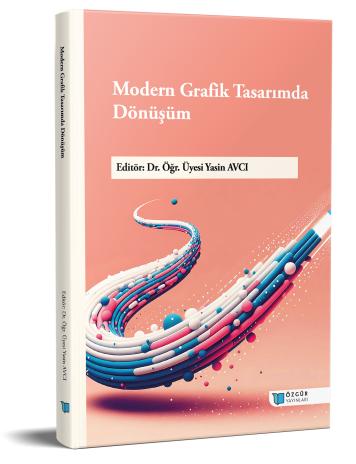
The Transformation of Modern Graphic Design
Synopsis
Graphic design is often discussed within a broad historical framework that traces the origins of visual communication back to early forms of human expression. Cave paintings, symbolic sign systems, the emergence of writing, and the visual organization of manuscripts are frequently considered among the early examples of visual communication. With the development of printing technology, typography gained a more systematic structure, and the increasing circulation of posters, books, and printed images contributed to the expansion of visual communication practices. Studies in design history suggest that the visual ordering principles that developed throughout this process are closely related to the conceptual and formal foundations of modern graphic design.
Graphic design is addressed in contemporary visual culture as a field of research and production that evolves through continuous interaction with different disciplines. Studies in design history and visual communication indicate that graphic design cannot be limited to formal arrangements on visual surfaces. Research in visual culture, communication theory, and media studies suggests that graphic design operates within a broader framework shaped by cultural, technological, and social contexts. The proliferation of digital technologies, the development of data-oriented communication models, and the increasing dominance of screen-based visual production have encouraged new discussions on design processes and practices. Within this context, studies that examine the relationship between historical references, theoretical frameworks, and contemporary design practices contribute to the ongoing discussion on the transformation of graphic design. This book brings together studies that explore this transformation from different perspectives and through diverse case studies.
In the first chapter, Kifayet Özkul, in the study titled From History to Design: The Transformative Role of Turkish and Islamic Mythology’s Visual Culture in Modern Graphic Design, examines the relationship between motifs and symbolic forms found in Turkish and Islamic artistic traditions and contemporary graphic design practices. The chapter discusses this relationship through a historical and conceptual perspective.
In the second chapter, Yasin Avcı, in Redefinition of the Hierarchical Structure in Poster Design, examines the transformation of hierarchical structures in contemporary poster design. The chapter discusses typographic scale relationships, grid usage, and surface density as key components shaping new visual organization strategies in poster design.
In the third chapter, Mustafa Akman, in The Impact of Digitalization on Graphic Design Practices in the Context of Generative Artificial Intelligence, explores the effects of digitalization and generative artificial intelligence on graphic design production processes. Data-oriented design approaches, algorithmic systems, and user-interaction-based production models are discussed within the broader transformation of graphic design practices.
In the fourth chapter, Seyit Mehmet Buçukoğlu, in Graphic Design Between Image, Data, and Visual Narrative, examines the multilayered structure of graphic design within the relationship between image production, data structures, and visual narrative. The chapter evaluates this transformation from modernist design principles to the context of digital data culture.
In the fifth chapter, Gökhan Koç, in The Transformation of Graphic Design in Cigarette Packaging: From Attraction-Oriented Aesthetics to Ethics-Based Deterrence, analyzes the historical development of cigarette packaging design. The chapter discusses the relationship between aesthetic preferences, legal regulations, and social responsibility through the evolution of packaging design.
In the final chapter, Leman Üstündağ, in The Transformation of Graphic Design Portfolios in the Digital Age, examines the changing forms of presenting designers’ professional work. Digital platforms, interactive presentation formats, and user experience are discussed within the transformation of portfolio design.
The studies included in this book examine the relationship between the historical foundations of graphic design and contemporary design practices from different perspectives. The book aims to contribute to discussions on the transformation of graphic design for researchers, academics, and designers working in the field.
Chapters
How to cite this book
License

This work is licensed under a Creative Commons Attribution-NonCommercial 4.0 International License.
Published
ISBN
DOI
Statistics
Categories
Copyright (c) 2026 Kifayet Özkul; Yasin Avcı; Yasin Avcı- Mustafa Akman- Seyit Mehmet Buçukoğlu- Gökhan Koç- Leman Üstündağ