
Technostress and Emotion
Chapter from the book:
Şener,
E.
(ed.)
2026.
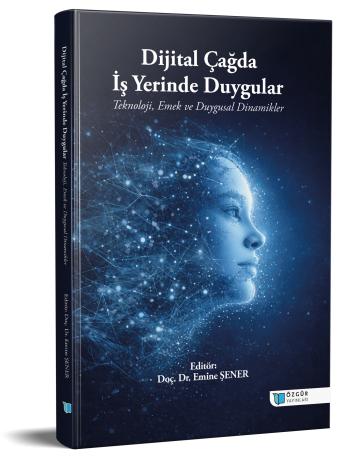
Emotions in the Workplace in the Digital Age: Technology, Labor, and Emotional Dynamics.
Synopsis
When employees use information and communication technologies, they may experience work overload, uncertainty, incompatibility, insecurity, confusion, and difficulty understanding. This is because not every individual has the same understanding ability, personality, emotions, and thoughts. Therefore, they may not be able to adapt to understanding new technological developments and using tools and equipment, and this can cause stress. This type of stress, which arises in individuals due to technology use and the difficulty they experience in using technology, is called technostress, and it can be said that if technostress is not addressed, it will lead to significant problems in terms of effectiveness and efficiency for both individuals and organizations. On the other hand, technostress can also lead to negative emotional consequences for individuals. Therefore, it is important for organizational managers and individuals to identify the causes of technostress and develop strategies to combat it. At this point, the individual and organizational causes of technostress should first be determined, and then appropriate strategies should be developed before negative consequences arise. When looking at the consequences of technostress, it is seen that emotional consequences such as anxiety, fear, excitement, irritability, and dissatisfaction occur. Therefore, focusing on developing strategies to reduce negative emotions, especially those arising from technology use, can be beneficial for both individuals and organizations. This chapter, under the heading of technostress, includes theories and dimensions of technostress, its symptoms, causes and consequences, strategies for coping with technostress, the relationship between technostress and emotions, and relevant research.
How to cite this book
License

This work is licensed under a Creative Commons Attribution-NonCommercial 4.0 International License.
Published
DOI
Categories
Copyright (c) 2026 Emine Şener; Gökhan Kenek- Rabia Sultan Kurşuncu- Gamze Özcan- Ergün Kara- Ethem Merdan- Fatih Ferhat Çetinkaya- Mehmet Orkun Ünsever- Mustafa İsmet Başboğa- Tugay Öney- Abdullah Turan