
The Transformation of Generations and Intergenerational Interaction in the Context of Digitalization and Algorithmic Knowledge
Chapter from the book:
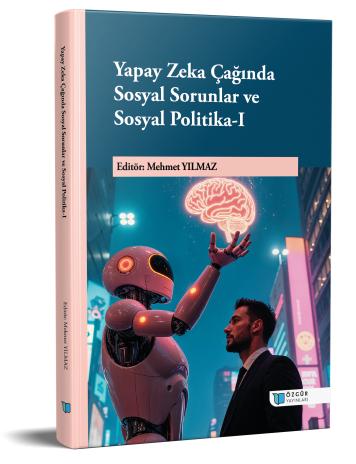
Yılmaz,
M.
(ed.)
2026.
Social Problems and Social Policy in the Era of AI-I .
Synopsis
This study approaches the concept of generation not merely as an age-based categorization, but as a sociological construct formed through shared historical experiences, social contexts, and cultural transformations. By examining generational classifications ranging from the Silent Generation to Generation Alpha, the study explores variations in value orientations, communication styles, work-related expectations, and ways of interpreting and responding to social events. It also highlights that generations cannot be considered homogeneous groups; instead, factors such as social class, education, geographical context, family structure, and gender significantly shape diversity within generations. In addition, within the framework of digital transformation, the study investigates how Generation Z and Generation Alpha experience information access, digital communication, and content creation. In this regard, it also evaluates how digital literacy levels differ across age groups and how algorithm-driven knowledge production may contribute to the reproduction of existing social inequalities. The chapter further aims to explain how intergenerational interaction is formed within family life, educational environments, workplaces, and everyday social settings, while addressing the transformative social dynamics of generational differentiation from a comprehensive perspective. In doing so, this study examines the historical evolution of generations through a sociological lens and analyses intergenerational similarities, differences, and patterns of interaction in relation to broader processes of social change.
How to cite this book
License

This work is licensed under a Creative Commons Attribution-NonCommercial 4.0 International License.
Published
DOI
Categories
Copyright (c) 2026 Mehmet Yılmaz; Arif Akbaş- Cumhur Havan- Sergen Gürsoy- Nesrin Yazar- Mehmet Yılmaz