
Central Precocious Puberty: Current Diagnosis, Treatment, and Multidisciplinary Management
Chapter from the book:
Tatlı,
M.
&
Türkoğlu,
S.
(eds.)
2026.
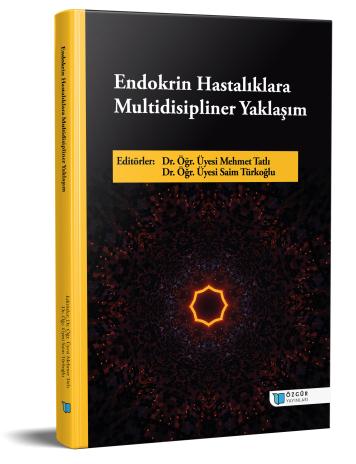
A Multidisciplinary Approach to Endocrine Disorders.
Synopsis
Central precocious puberty (CPP) is characterized by the premature activation of the hypothalamic-pituitary-gonadal (HPG) axis, leading to the development of secondary sexual characteristics before the age of 8 in girls and 9 in boys. In recent years, an increase in the incidence of CPP has been observed worldwide and in Türkiye, particularly in the post-COVID-19 era. This rise is associated with factors such as obesity, exposure to endocrine-disrupting chemicals, and lifestyle changes. The diagnosis of CPP is established through a detailed history, physical examination, bone age assessment, and biochemical evaluations like the GnRH stimulation test. The primary goals of treatment are to optimize final adult height and support the child's psychosocial adaptation. Gonadotropin-releasing hormone (GnRH) analogues represent the gold standard of therapy. The management of CPP requires a multidisciplinary approach that includes not only medical treatment but also psychological support for the patient and family. This chapter reviews the current etiology, diagnostic criteria, treatment strategies, and the importance of multidisciplinary management of CPP in light of the latest evidence and guidelines.
How to cite this book
License

This work is licensed under a Creative Commons Attribution-NonCommercial 4.0 International License.
Published
DOI
Categories
Copyright (c) 2026 Mehmet Tatlı- Saim Türkoğlu; Mahir Coşkun- Muhammed Tosun- Zeynep Uzan Tatlı- Veli Çıtışlı- Julide Merve Ekici Duman- Azad Duman