
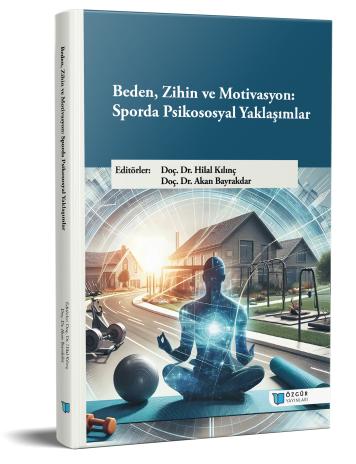
Padel Performansında Psikososyal ve Biyopsikolojik Dinamikler: Kaygı, Stres ve Mental Yorgunluk
Şu kitabın bölümü:
Kılınç,
H.
&
Bayrakdar,
A.
(eds.)
2026.
Beden, Zihin ve Motivasyon: Sporda Psikososyal Yaklaşımlar.
Özet
Padel, son yıllarda dünya genelinde hızla gelişen ve yüksek bilişsel, teknik ve taktik talepler içeren bir raket sporudur. Bu spor dalında performans yalnızca fiziksel kapasiteye değil, aynı zamanda psikososyal ve biyopsikolojik süreçlerin etkileşimine de bağlıdır. Bu çalışmada padel performansını etkileyen temel psikolojik faktörler; rekabetçi kaygı, stres yanıtları ve mental yorgunluk bağlamında incelenmiştir. Literatür incelendiğinde, sporcuların kişilik özelliklerinin, öz-yeterlilik düzeylerinin ve takım içi iletişimin kaygı yönetimi üzerinde belirleyici olduğu görülmektedir. Ayrıca müsabaka ortamında ortaya çıkan stresin hormonal yanıtlar yoluyla performansı etkilediği; galibiyetin testosteron seviyelerini artırırken mağlubiyetin kortizol düzeylerinde artışa neden olduğu belirtilmektedir. Bunun yanında mental yorgunluğun psikomotor performansı olumsuz etkileyerek vuruş isabeti, karar verme süreçleri ve reaksiyon zamanlarında bozulmalara yol açtığı ortaya konmuştur. Padel gibi hızlı karar verme gerektiren spor branşlarında zihinsel dayanıklılık, öz-güven ve stres yönetimi performansın sürdürülebilirliği açısından kritik öneme sahiptir. Bu nedenle antrenman süreçlerinde psikolojik beceri eğitimleri, baskı altında performans çalışmaları ve mental yorgunluğun yönetimine yönelik stratejilerin uygulanması önerilmektedir.
Anahtar Kelimeler:
Kaynakça Gösterimi
Lisans

Bu çalışma Creative Commons Attribution-NonCommercial 4.0 International License ile lisanslanmıştır.
Yayın Tarihi
DOI
Kategoriler
Telif Hakkı (c) 2026 Hilal Kılınç- Akan Bayrakdar; Halil Orbay Çobanoğlu- Abdullah Yüksel- Muhammed Yavuz Kılınç- Akan Bayrakdar- Hilal Kılınç- Zeynep Ayça Terzioğlu