
Excavating the Soul: Trauma, Memory, and Psychological Well-Being
Chapter from the book:
Öz Çelikbaş,
E.
(ed.)
2026.
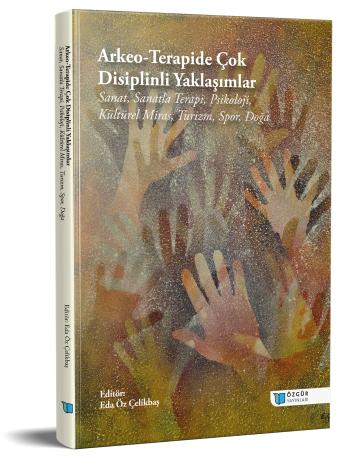
Multidisciplinary Approaches in Archaeotherapy: Art, Psychology, Cultural Heritage, Tourism, Sports, and Nature.
Synopsis
Trauma is not concerned solely with an individual’s past experiences; it is also a challenging phenomenon that necessitates the reconstruction of one’s present and future. The driving force behind this section is to understand the impact of traumatic experiences on memory-particularly the fragmentation of the integrity of stored recollections-and to examine, from a scientific perspective, how psychological well-being can regain its functionality and continuity from these disrupted fragments. Memory is both a repository in which the mental traces of traumatic experiences are stored and a dynamic process through which well-being is reestablished. The painful memories of past traumatic events, when reinterpreted and imbued with new meaning within a safe environment, causally contribute to the emergence of individuals’ psychological resilience.
The focus of this section is to move beyond the cognitive and neurobiological framework of trauma and to examine how these processes are manifested in both individual and collective well-being. The fragmented nature of traumatic memories, along with the process of transitioning toward a meaning-making life experience grounded in mind-body integration, constitutes one of the central areas of inquiry in modern psychology. This section aims to systematically investigate the factors that foster post-traumatic growth and psychological well-being by synthesizing diverse theoretical approaches within a holistic framework.
In this section, I hope to provide a guiding framework for trauma-specialist psychologists, professionals working in the trauma and disaster field, academics, and all readers who believe in the human capacity for healing. May this journey-from carrying the burden of the past to building the power to shape the future-open new perspectives on the restorative power of memory.
How to cite this book
License

This work is licensed under a Creative Commons Attribution-NonCommercial 4.0 International License.
Published
DOI
Categories
Copyright (c) 2026 Eda Öz Çelikbaş; Eda Öz Çelikbaş- Asuman Özdemir- Gülten Aldemir- Mustafa Tunç- Özlem Tekin- Yasemin Yalçın