
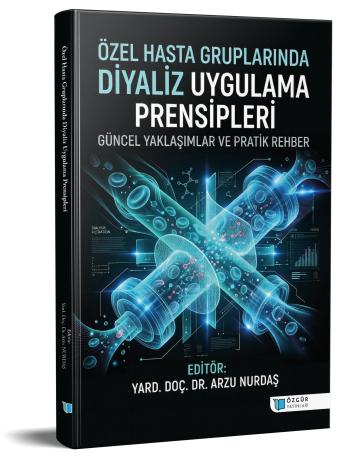
Psikiyatrik Hastalıklar ve Diyaliz
Şu kitabın bölümü:
Nurdaş,
A.
(ed.)
2026.
Özel Hasta Gruplarında Diyaliz Uygulama Prensipleri.
Özet
Kronik böbrek hastalığı ve diyaliz tedavisi, bireyin yalnızca fiziksel sağlığını değil, aynı zamanda psikolojik, bilişsel ve sosyal işlevselliğini etkileyen çok boyutlu bir sağlık sorunudur. Diyaliz hastalarında depresyon, anksiyete, deliryum ve bilişsel bozukluklar gibi psikiyatrik sorunların yüksek prevalansa sahip olması, bu hasta grubunun değerlendirilmesi ve yönetiminde biyopsikososyal yaklaşımın gerekliliğini ortaya koymaktadır. Bu çerçevede, bakımın yalnızca hastalığın fizyolojik yönleriyle sınırlı kalmaması, psikolojik ve sosyal boyutları da kapsayacak şekilde bütüncül bir anlayışla ele alınması gerekmektedir. Diyaliz hastalarının bakım sürecine dahil olan tüm sağlık profesyonelleri, psikiyatrik semptomların erken dönemde tanılanması, uygun müdahalelerin planlanması ve izlenmesinde önemli sorumluluklar üstlenmektedir. Sistematik tarama uygulamaları, hasta ve aile eğitimi, tedaviye uyumun desteklenmesi ve psikososyal gereksinimlerin karşılanması, etkili bakımın temel bileşenleri arasında yer almaktadır. Bu süreçte hasta merkezli bakım yaklaşımının benimsenmesi ve bireysel gereksinimlerin dikkate alınması büyük önem taşımaktadır. Multidisipliner yaklaşım, nefroloji, psikiyatri, hemşirelik, diyetetik ve sosyal hizmet gibi farklı disiplinlerin iş birliği içinde çalışmasını sağlayarak hastanın biyolojik, psikolojik ve sosyal gereksinimlerinin bütüncül olarak ele alınmasına olanak tanımaktadır. Ekip içi etkin iletişim, koordinasyon ve iş birliği, bakımın sürekliliğini ve kalitesini artıran ve klinik sonuçları olumlu yönde etkileyen temel unsurlar arasında yer almaktadır. Sonuç olarak, diyaliz hastalarında psikiyatrik sorunların yönetiminde multidisipliner yaklaşımın güçlendirilmesi, yalnızca semptom kontrolü açısından değil, aynı zamanda tedaviye uyumun artırılması, yaşam kalitesinin iyileştirilmesi ve mortalite riskinin azaltılması açısından da kritik öneme sahiptir. Psikososyal boyutun klinik uygulamalara sistematik olarak entegre edilmesi ve bütüncül bakım modellerinin yaygınlaştırılması, bu hasta grubunda uzun dönem sonuçların iyileştirilmesi açısından temel bir gereklilik olarak değerlendirilmektedir.
Anahtar Kelimeler:
Kaynakça Gösterimi
Lisans

Bu çalışma Creative Commons Attribution-NonCommercial 4.0 International License ile lisanslanmıştır.
Yayın Tarihi
DOI
Kategoriler
Telif Hakkı (c) 2026 Arzu Nurdaş; Arzu Nurdaş- Asiye Tan- Sevim Güneş- Hazel Şahin Tarım- Elif Asena Kantarcı- Hazal Atalay