
The 2030 UN Sustainable Development Goals, Stakeholder Theory, and Multi-Stakeholder Marketing: An Integrated Conceptual Framework
Chapter from the book:
Deligöz,
K.
(ed.)
2026.
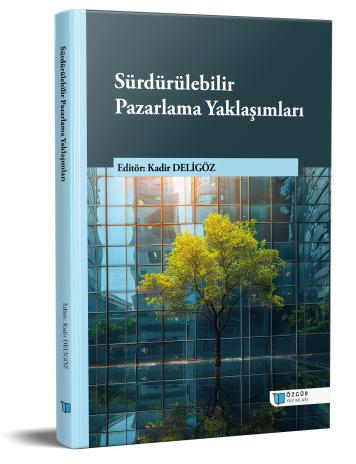
Sustainable Marketing Approaches.
Synopsis
One of the most important global objectives facing the world today is the achievement of the 2030 Sustainable Development Goals (SDGs) set by the United Nations (UN), for which only a limited amount of time remains to achieve. However, the current indicators present a pessimistic outlook regarding the likelihood of achieving these SDGs by 2030. While the existing situation indicates that a critical phase has been reached for the 2030 targets, failure to initiate an acceleration process may further increase the uncertainty surrounding whether these goals can be achieved within the designated time frame (Leal Filho et al., 2023). Moreover, according to the most recent SDG report, the current state of the world constitutes a red alert for humanity, and the window of opportunity to prevent a climate catastrophe is rapidly closing (United Nations, 2022). Nevertheless, this situation does not imply abandoning the SDGs; on the contrary, it highlights the urgent need for all stakeholders to fulfill their responsibilities toward these goals. In this context, in today’s business environment—where digitalization, globalization, and sustainability pressures play a significant role in achieving the SDGs—the environment in which firms operate has become increasingly complex and multi-actor in nature. This transformation has necessitated the evolution of marketing from a solely customer-oriented function to a holistic management approach that encompasses multiple stakeholders. The multistakeholder marketing approach, grounded in stakeholder theory, emphasizes that businesses are not only responsible for generating economic value but also for creating social and environmental value. Accordingly, this study aims to examine the conceptual relationship between multi-stakeholder marketing -a concept that has the potential to accelerate the achievement of the UN 2030 SDGs- and the SDGs themselves, while evaluating its potential contribution to overcoming the barriers that hinder progress toward these goals.
How to cite this book
License

This work is licensed under a Creative Commons Attribution-NonCommercial 4.0 International License.
Published
DOI
Categories
Copyright (c) 2026 Kadir Deligöz; Selman Temiz- Candan Özgün Ayar- Altuğ Ocak- Derya Öztürk- Şule Yıldırım- Özgür Yılmaz- Dilek Maraşlı