
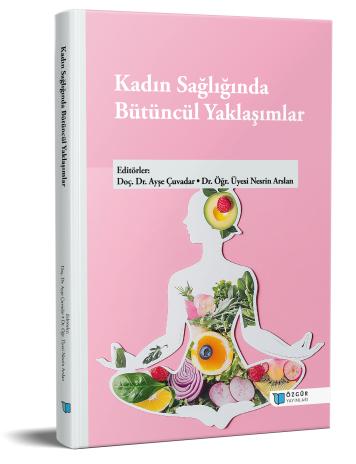
Postpartum Depression and Mood Disorders in the Perinatal Period
Chapter from the book:
Çuvadar,
A.
&
Arslan,
N.
(eds.)
2026.
Holistic Approaches in Women's Health.
Synopsis
Mood disorders occurring during the perinatal period, particularly postpartum depression (PPD) and bipolar disorder, are significant clinical conditions that substantially affect women’s health and play a critical role in maternal–infant outcomes. PPD is one of the most common complications of childbirth, leading to functional impairment but remaining treatable with appropriate interventions. The strongest risk factor is a prior history of mood or anxiety disorders, especially the presence of active symptoms during pregnancy. Perinatal mood disorders are associated with obstetric and neonatal complications, impaired mother–infant bonding, compromised parenting functioning, and, in severe cases, increased risk of suicide.
Major depressive disorder occurs approximately twice as often in women as in men, with the highest risk observed during the reproductive years. Bipolar disorder carries a particularly high risk of relapse during the perinatal period, especially when pharmacological treatment is discontinued. Treatment planning during pregnancy requires careful consideration of the balance between teratogenic risks and the risk of illness recurrence. Accurate differentiation between unipolar depression and bipolar disorder is critical for selecting appropriate pharmacological and psychosocial interventions.
Early identification, routine screening, individualized treatment planning, and multidisciplinary collaboration are essential components of optimal perinatal mental health care. Such an approach contributes not only to reducing maternal morbidity but also to strengthening long-term maternal, infant, and family well-being.
How to cite this book
License

This work is licensed under a Creative Commons Attribution-NonCommercial 4.0 International License.
Published
DOI
Categories
Copyright (c) 2026 Ayşe Çuvadar- Nesrin Arslan; Esra Demirci Ecevit- Kübra Şerif Öztürk- Mahizer Elif Aras- Yeter Çuvadar Baş- Rukiye Karabacak- Çağla Çamlı- Begüm Can- Kübra Nur Kılıç- İkbal Nur Ergin- Rumeysa İnci- Nargizahon Erkaboeva