
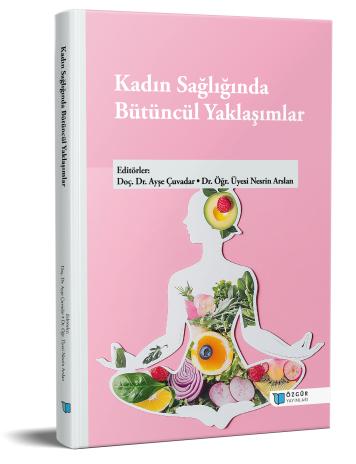
Traumatic Birth Experience and Mental Health
Chapter from the book:
Çuvadar,
A.
&
Arslan,
N.
(eds.)
2026.
Holistic Approaches in Women's Health.
Synopsis
Pregnancy, childbirth, and the postpartum period are significant stages in a woman’s life during which intense physiological and psychological changes occur. Although labor and delivery are generally considered natural processes, the fear, loss of control, and perception of threat experienced by women during childbirth can lead them to perceive the experience as traumatic. In particular, routine medical interventions such as emergency cesarean sections, oxytocin administration, episiotomy, enema, and continuous fetal monitoring (NST) may increase the perception of traumatic childbirth. Negative communication by healthcare professionals, inadequate information provision, and lack of social support are also among the main factors that adversely affect this process. A traumatic childbirth experience increases the risk of postpartum depression, contributes to severe anxiety and fear of childbirth in subsequent pregnancies, and may lead to the development of clinical or subclinical Post-Traumatic Stress Disorder (PTSD). These psychological problems can weaken mother–infant bonding, negatively affect breastfeeding, and reduce marital satisfaction between partners, thereby threatening family well-being. Conversely, personalized birth environments that support women’s autonomy, enhance their sense of security, and protect their privacy have been shown to have a protective effect against traumatic symptoms. Therefore, a woman-centered, rights-based midwifery approach that adopts the Midwifery Continuity of Care Model is of great importance. Trust-based communication, continuous care, effective psychological support, and postpartum debriefing sessions make significant contributions to preventing traumatic birth experiences and mitigating their adverse effects. Furthermore, this approach helps women evaluate their childbirth experiences more positively, adapt more easily to their maternal role, and develop greater trust in healthcare services.
How to cite this book
License

This work is licensed under a Creative Commons Attribution-NonCommercial 4.0 International License.
Published
DOI
Categories
Copyright (c) 2026 Ayşe Çuvadar- Nesrin Arslan; Esra Demirci Ecevit- Kübra Şerif Öztürk- Mahizer Elif Aras- Yeter Çuvadar Baş- Rukiye Karabacak- Çağla Çamlı- Begüm Can- Kübra Nur Kılıç- İkbal Nur Ergin- Rumeysa İnci- Nargizahon Erkaboeva