
Haemorrhage Control and Haemostatic Resuscitation in Massive Bleeding Cases
Chapter from the book:
Beşe,
G.
G.
(ed.)
2026.
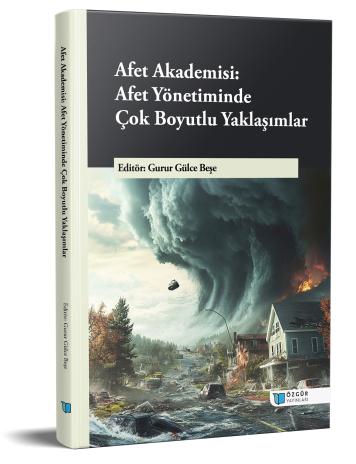
Disaster Academy: Multidimensional Approaches to Disaster Management.
Synopsis
This study examines the contemporary management of massive hemorrhage and resuscitation strategies in trauma patients from the prehospital phase through definitive in-hospital care. Uncontrolled hemorrhage remains one of the leading causes of preventable trauma-related mortality, triggering life-threatening pathophysiological processes such as hypovolemic shock, trauma-induced coagulopathy, hypothermia, and metabolic acidosis. Accordingly, the study addresses current evidence-based approaches to external and internal hemorrhage control, fluid resuscitation, massive transfusion protocols, tranexamic acid administration, hypocalcemia management, and hypothermia prevention. The primary aim of this study is to emphasize the importance of early hemorrhage control and goal-directed resuscitation strategies in trauma care while evaluating current evidence-based interventions applicable in both prehospital and disaster settings. In this context, the study seeks to identify effective approaches for reducing preventable deaths associated with uncontrolled bleeding. A qualitative research design was adopted, employing document analysis of current international trauma guidelines and peer-reviewed scientific literature. Contemporary evidence regarding hemorrhage control techniques, damage control resuscitation, permissive hypotension, balanced blood product transfusion strategies, massive transfusion protocols, and adjunctive therapeutic interventions was systematically reviewed. The findings indicate that successful hemorrhage management in trauma patients depends not only on restoring circulating blood volume but also on implementing a comprehensive strategy that includes early bleeding control, prevention of trauma-induced coagulopathy, goal-directed fluid and blood product therapy, timely administration of tranexamic acid, correction of hypocalcemia, and maintenance of normothermia. The review further demonstrates that rapid, systematic, and coordinated intervention—particularly in prehospital and disaster environments—is a critical determinant of improved survival and favorable clinical outcomes in severely injured trauma patients.
How to cite this book
License

This work is licensed under a Creative Commons Attribution-NonCommercial 4.0 International License.
Published
DOI
Categories
Copyright (c) 2026 Gurur Gülce Beşe; Fırat Semih Avşar- Mahmut Said Çam- Ümit Topcuoğlu- Gurur Gülce Beşe- Şerafettin Okan Yayla- Tuba Işık- Serinay Altundağ- Yiğit Aydın Şahin- Şeyma Tosun- Yasin Hasgül- Arzu Güneş- Çilem Bakar Aynacı