
Crohn Hastalığı ile Oksidatif Stres Arasındaki İlişki nedir?
Şu kitabın bölümü:
Meydan,
İ.
&
Demir,
C.
(eds.)
2025.
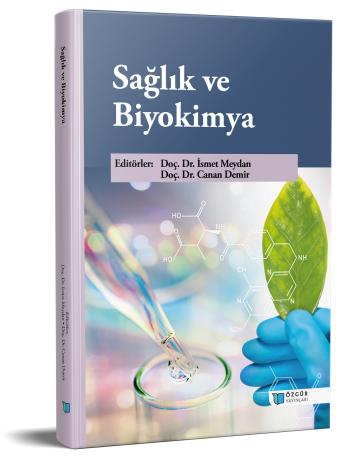
Sağlık ve Biyokimya.
Özet
Crohn hastalığı (CD) ciddi komplikasyonlara neden olan kronik bir bağırsak hastalığıdır. CD’nin genetik duyarlılık ve çeşitli çevresel ve konakçı risk faktörlerinin patojenik katkılarının kombinasyonundan kaynaklanan çok faktörlü bir hastalıktır. CD’nin prevalansı artmaktadır. Daha önce yapılan bir çok çalışmada, hastalığın davranışının kararlı olmadığını ve zamanla davranış değişikliğine sekonder ciddi komplikasyonlar olduğunu göstermiştir. Patogenezde birçok faktörün rol oynadığına inanılmaktadır ancak kesin nedeni hala bilinmemektedir. Son araştırmalar oksidatif stres ile birçok hastalık arasındaki ilişkiye odaklanmıştır. Oksidatif stres, vücuttaki serbest radikaller ile antioksidan savunma mekanizmaları arasındaki dengesizlikten kaynaklanır. Hücrelerdeki oksidanlar ve antioksidanlar arasındaki dengesizlik olan oksidatif stres (OS), CD’nin patogenezinde önemli rol oynayan birçok faktörden biridir. CD’nin esas olarak seyri sırasında hastaların yaklaşık üçte ikisinde komplikasyon geliştirir. CD ile ilişkili ana komplikasyonlar arasında enflamatuar veya fibrotik darlıkların gelişimi ve karın içi veya perianal fistül ve apselerin gelişimi bulunur. İlginçtir ki CD’nin işletim sistemi birçok bozukluk ve hastalıkla ilişkilendirilebilir. Bu çalışma, CD’nin OS'nin karakteristik belirteçlerine ve insülin direnci (IR), hiperandrojenemi, obezite, kronik inflamasyon, kardiyovasküler hastalık ve kanser bağlamında CD ile OS arasındaki ilişkiye odaklanmıştır. İlginçtir ki, CD hastalarında bağırsak komplikasyonları ortaya çıkmadan önce artan oksidatif durum ve artan antioksidan durum için yetersiz telafi gözlenmektedir. Ek olarak serbest radikaller CD hastalarında kanser gelişimini teşvik etmektedir. Oksidatif stres (OS) ile CD’nin arasında genetik, epigenetik ve çevresel bağlantılar vardır ve bu ilişki karmaşık bir klinik profile yansımaktadır. Serbest oksijen radikallerinin vücut üzerindeki etkisini azaltmak ve toksinleri uzaklaştırmak için antioksidanların etkili bir şekilde kullanılması gerekir. Bu çalışma metabolik, bağırsak problemleri ve kanser komplikasyonlarına odaklanarak OS'nin CD’nin patogenezindeki rolünü özetlemekte ve tartışmaktadır. Ancak bu verilere rağmen bağırsak komplikasyonlarına daha yüksek ilerleme riski olan hastaları tahmin etmek ve biyolojik ajanlar artı erken mukozal iyileşme sağlayarak doğal seyri değiştirme potansiyeline sahip immünomodülatörler ile erken agresif bir kombinasyon tedavisi başlatmak çok önemlidir. Sonuç olarak, Crohn hastalığı (CD) ile oksidatif stres arasındaki ilişki incelenmiş ve CD’nin önlenmesine yardımcı olabilecek yeterli antioksidan içeren gıdaların ve takviyelerin tüketilmesinin faydalı olabileceği sonucuna varıldı.
Anahtar Kelimeler:
Kaynakça Gösterimi
Lisans

Bu çalışma Creative Commons Attribution-NonCommercial 4.0 International License ile lisanslanmıştır.
Yayın Tarihi
DOI
Kategoriler
Telif Hakkı (c) 2025 İsmet Meydan- Canan Demir; Ali Rıza Kul- Sibel Ergin- Maşallah Ermaya- Sema Kaptanoğlu- Fatma Calayır- Ercan Demirok- Uğur Özdek- Halis Gökyer- Muhammed Yusuf Akgeyik- Halit Demir- Can Ebiri- İsmet Meydan- Ayhan Beyazpolat- Uğur Özdek- Yeter Değer- Mustafa Bilici