
Ektopik Gebelik: Tanısı ve Güncel Tedavisine Yaklaşım
Şu kitabın bölümü:
Karakurt,
P.
&
Fırat,
M.
(eds.)
2025.
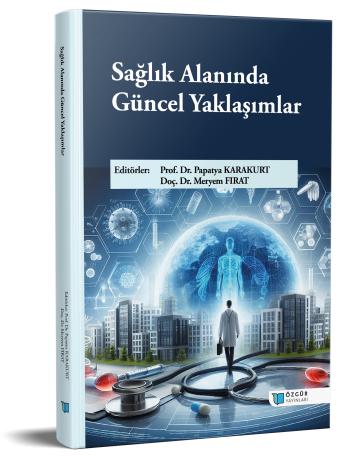
Sağlık Alanında Güncel Yaklaşımlar.
Özet
Ektopik gebelik, implantasyonun uterin kavite dışına yerleşmesiyle ortaya çıkan ve erken gebelik dönemindeki anne ölümlerinin önemli bir nedenini oluşturan ciddi bir klinik tablodur. İnsidansı tüm gebeliklerin yaklaşık %1–2’sini oluşturmakla birlikte, tanısal yöntemlerdeki ilerlemeler rüptür ve mortalite oranlarının azalmasına katkı sağlamıştır. Risk faktörleri arasında önceki ektopik gebelik öyküsü, pelvik inflamatuar hastalık, tubal cerrahi, infertilite, yardımcı üreme teknikleri, sigara kullanımı ve rahim içi araç varlığı öne çıkmaktadır. Klinik bulgular her zaman tipik olmayıp, hastaların önemli bir kısmı asemptomatik seyredebilmektedir. Bu nedenle, tanıda transvajinal ultrasonografi ve seri serum beta insan koryonik gonadotropin ölçümleri temel bileşenlerdir.
Ektopik gebeliklerin büyük çoğunluğu tubal yerleşimlidir; ancak interstisyel, servikal, sezaryen skarı, ovaryal ve abdominal yerleşimli özel tipler tanı ve tedavi açısından ek zorluklar taşır. Medikal tedavide intramüsküler metotreksat onaylanmış tek seçenektir. Hastanın hemodinamik stabil olması, rüptür bulgularının bulunmaması ve metotreksat için kontrendikasyon olmaması medikal tedavinin gereklilikleridir. Cerrahi yönetimde salpingostomi ve salpenjektomi temel seçenekler olup, yöntem seçimi tubal durum, fertilite isteği ve klinik bulgulara göre belirlenir. Uygun hasta seçimi sağlandığında medikal ve cerrahi tedaviler arasında gelecekteki fertilite açısından anlamlı fark bulunmamıştır.
Anahtar Kelimeler:
Kaynakça Gösterimi
Lisans

Bu çalışma Creative Commons Attribution-NonCommercial 4.0 International License ile lisanslanmıştır.
Yayın Tarihi
DOI
Kategoriler
Telif Hakkı (c) 2025 Papatya Karakurt- Meryem Fırat; Amine Nur Arıkan- Ayçin Köycekaş- Yahya Ateşpolat- Müdriye Yıldız Bıçakçı- Arif Caner Erdoğan- Bilgenur Karaçor- Mehmet Elmalı- Bürke Çırçırlı- Mert Can Emre- Cihan Adanaş- Sezai Özkan- Elem Kocaçal- Ertuğrul Sarı- İlyas Ün- Esra Kuran- Eren Canbolat- Mahir Coşkun- Azad Duman- Merve Kandazoğlu Erdem- Betül Karabudak- Simge Erdal- Meryem Fırat- Burcu Demir Gökmen- Mine Cengiz- Naime Çelik- Rauf Melekoğlu- Ayse Sebnem Erenler- Sanem Can Sarıoğlu- Esra Buğra- Deniz Uğur Cengiz- Selen Özdemir- Şeyda Yetginler Memiş- Ümit Topcuoğlu- Yasin Özden- Zehra Güveren- Gül Bülbül Maraş- Ahmet Utuş