
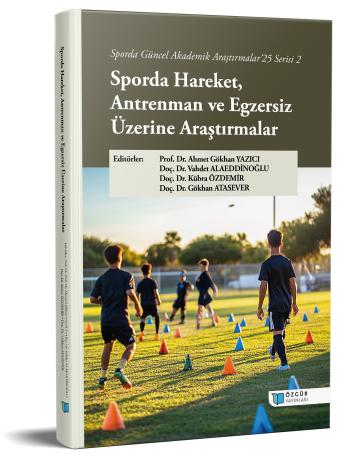
Futbolda Performans Optimizasyonu: Yük Yönetimi ve Toparlanma Stratejileri
Şu kitabın bölümü:
Yazıcı,
A.
G.
&
Alaeddinoğlu,
V.
&
Özdemir,
K.
&
Atasever,
G.
(eds.)
2025.
Sporda Hareket, Antrenman ve Egzersiz Üzerine Araştırmalar.
Özet
Modern futbol, artan maç trafiği ve oyunun fiziksel yoğunluğundaki artış nedeniyle sporcuların fizyolojik sınırlarını zorlamaktadır. Bu çalışma, elit düzeydeki futbolcularda performansın sürdürülebilirliğini sağlamak ve sakatlık riskini minimize etmek amacıyla uygulanan yük yönetimi ve toparlanma (recovery) stratejilerini incelemektedir. Performans optimizasyonu; dışsal yük (koşu mesafeleri, sprint sayıları) ve içsel yükün (kalp atış hızı, algılanan zorluk derecesi) hassas bir dengede tutulmasını gerektirir. Makalede, GPS tabanlı takip sistemlerinin ve biyometrik verilerin antrenman dozajlamasındaki kritik rolü vurgulanmaktadır. Ayrıca, müsabaka sonrası inflamasyonu azaltmak ve glikojen depolarını yenilemek için kullanılan soğuk su daldırma, kompresyon giysileri, uyku kalitesinin artırılması ve beslenme protokolleri gibi toparlanma yöntemlerinin etkinliği literatür ışığında değerlendirilmektedir. Sonuç olarak, bireyselleştirilmiş yük izleme süreçlerinin, "yetersiz antrenman" ile "aşırı yüklenme" (overtraining) arasındaki ince çizgiyi yönetmede en etkili araç olduğu ve toparlanma stratejilerinin sadece fiziksel değil, bilişsel performansı da doğrudan etkilediği görülmektedir.
Anahtar Kelimeler:
Kaynakça Gösterimi
Lisans

Bu çalışma Creative Commons Attribution-NonCommercial 4.0 International License ile lisanslanmıştır.
Yayın Tarihi
DOI
Kategoriler
Telif Hakkı (c) 2025 Ahmet Gökhan Yazıcı- Vahdet Alaeddinoğlu- Kübra Özdemir- Gökhan Atasever; Sefer Karabağ- Fatih Kıyıcı- Ömer Yaşa- Muharrem Ogan- Mehmet Karasu- Gökhan Atasever- Ahmet Dal- Fatmanur Er- Yusuf Ziya Doğru- Elif Akkuş- Alperen Bektaş