
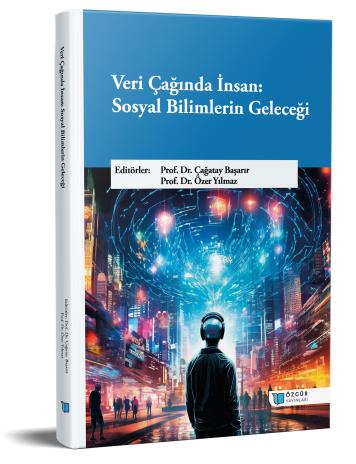
Veri Çağında Yeşil Açık: İklim Krizi, Veri Tabanlı Politikalar ve Küresel Uyum Sorunu
Şu kitabın bölümü:
Başarır,
Ç.
&
Yılmaz,
Ö.
(eds.)
2025.
Veri Çağında İnsan: Sosyal Bilimlerin Geleceği.
Özet
İklim krizi, son yirmi yılda sürdürülebilirlik tartışmalarının merkezine yerleşmiş ve ekonomik, toplumsal ve politik sistemleri köklü biçimde zorlayan küresel bir sorun haline gelmiştir. Veri çağında, iklim kriziyle ilgili bilgi üretimi ve veri yoğunluğu benzersiz biçimde artmasına rağmen, bu kapsamlı verilerin politika tasarımına ve toplumsal davranışlara etkin bir biçimde yansımadığı görülmektedir. Bu uyumsuzluk, literatürde “yeşil açık” olarak tanımlanmakta ve iklime yönelik söylemlerle gerçek davranış ve politika çıktıları arasındaki farkı ifade etmektedir.
Güncel veriler, iklim farkındalığının yükseldiğini gösterse de bu farkındalığın politika üretimine, bireysel tutumlara ve toplumsal davranış değişikliklerine dönüşme kapasitesi sınırlı kalmaktadır. Böylece yeşil açık, veri temelli karar alma süreçlerine rağmen politika açığına, ardından uyum ve koordinasyon açığına evrilmektedir. Devletlerin kısa vadeli ekonomik ve jeopolitik kaygılarla karbon azaltım hedeflerini yerine getirmede isteksiz davranması, Paris İklim Anlaşması’nın öngördüğü küresel uyumun zayıflamasına yol açmaktadır.
Bu bölüm, veri çağının sunduğu büyük veri, dijital izleme, modeller ve risk tahminleme kapasitesine rağmen neden söylem-eylem uyumsuzluğunun devam ettiğini incelemektedir. Yeşil açık kavramı; veri üretimi, veri yorumlama süreçleri, dijital politika araçları ve küresel yönetişim pratikleri bağlamında yeniden ele alınmaktadır.
Kaynakça Gösterimi
Lisans

Bu çalışma Creative Commons Attribution-NonCommercial 4.0 International License ile lisanslanmıştır.
Yayın Tarihi
DOI
Kategoriler
Telif Hakkı (c) 2025 Çağatay Başarır- Özer Yılmaz; Nur Kuban Torun- Merve Önalan- Ömer Faruk Seymen- Volkan Akgül- Müjde Aksoy- Özer Yılmaz- Burçin Boz- Mehtap Türkan- Özgür Yılmaz- İlknur Tanrıverdi- Altuğ Günar- Çağatay Başarır- Cemalettin Hatipoğlu- Onur Özaydın