
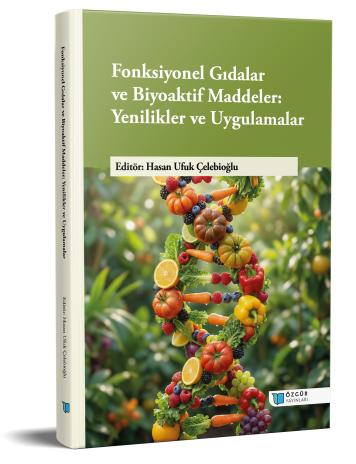
The Use of Nanoparticles in Functional Foods: Opportunities and Challenges
Chapter from the book:
Çelebioğlu,
H.
U.
(ed.)
2025.
Functional Foods and Bioactive Compounds: Innovations and Applications.
Synopsis
Nanotechnology is driving a significant transformation in the food industry by offering innovative solutions such as preserving the stability of functional components, enhancing bioavailability, and ensuring targeted controlled release. This book chapter comprehensively examines the integration of nanoemulsions, liposomes, and biopolymer-based nanocarrier systems into functional foods, as well as the role of metal oxide nanoparticles in antimicrobial packaging technologies. In addition to the opportunities presented by nanotechnology, the study addresses critical challenges including the potential toxicological effects of nanoparticles, global disparities in regulatory frameworks, and consumer acceptance. Furthermore, advanced analytical techniques used to detect nanomaterials in foods, such as electron microscopy and dynamic light scattering, along with risk assessment procedures, are discussed. In conclusion, it is emphasized that the future success of nanotechnology depends on the development of green nanotechnology approaches, sustainable production models, and transparent regulatory frameworks.
How to cite this book
License

This work is licensed under a Creative Commons Attribution-NonCommercial 4.0 International License.
Published
DOI
Categories
Copyright (c) 2025 Hasan Ufuk Çelebioğlu; Hasan Ufuk Çelebioğlu- Sena Davran Bulut- Seda Nur Erciyes- Hilal Yılmaz- Recep Taş- Nilay Akkuş Taş