
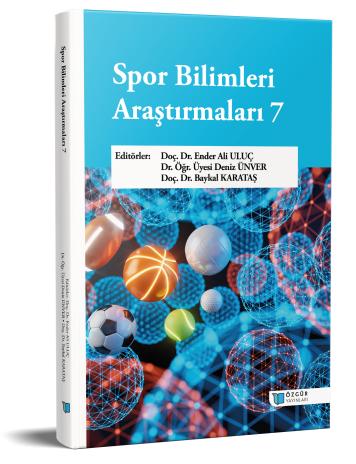
Sporda Zihinsel Dayanıklılık ve İmgeleme Becerilerinin Sportif Performansla İlişkisi
Şu kitabın bölümü:
Uluç,
E.
A.
&
Ünver,
D.
&
Karataş,
B.
(eds.)
2025.
Spor Bilimleri Araştırmaları 7.
Özet
Zihinsel dayanıklılık, bireyin zorluk, baskı ve belirsizlik içeren durumlar karşısında psikolojik işlevselliğini sürdürebilme ve performansla ilişkili bilişsel–duygusal süreçlerini etkili biçimde yönetebilme kapasitesi olarak açıklanabilir. Spor bağlamında zihinsel dayanıklılık, rekabet ortamının doğasında yer alan stresörlere uyum sağlama, dikkat odağını koruma ve performans sürekliliğini destekleme süreçleriyle ilişkilendirilmektedir. İmgeleme ise, sporcuların hareketleri, performans durumlarını ve yarışma senaryolarını zihinsel düzeyde canlandırmalarını içeren bir psikolojik beceri alanını ifade etmektedir. Sporda imgeleme, motor öğrenme, dikkat düzenleme ve duygusal kontrol süreçleriyle bağlantılı biçimde değerlendirilmektedir. Performans öncesi hazırlık, rekabet sırasında ortaya çıkan baskının yönetimi ve performans deneyiminin zihinsel olarak yapılandırılması bağlamında imgelemenin işlevsel bir rol üstlendiği de ifade edilebilir.
Mevcut bölüm kapsamında sonuç olarak; imgeleme yoluyla geliştirilen bilişsel ve duygusal hazırlık süreçleri, sporcuların psikolojik dirençlerini desteklemekte, zihinsel dayanıklılığın gelişimi ise imgelemenin performans üzerindeki etkisini de güçlendiği ifade edilebilir.
Anahtar Kelimeler:
Kaynakça Gösterimi
Lisans

Bu çalışma Creative Commons Attribution-NonCommercial 4.0 International License ile lisanslanmıştır.
Yayın Tarihi
DOI
Kategoriler
Telif Hakkı (c) 2025 Ender Ali Uluç- Deniz Ünver- Baykal Karataş; Alper Kartal- Muhammet Taha İlhan- Ahmet Şahin- Mevlüt Yıldız- Doğukan Batur Alp Gülşen- Burcu Fidel- Serkan Zengin- Günseli Duman- Adem Karatut