
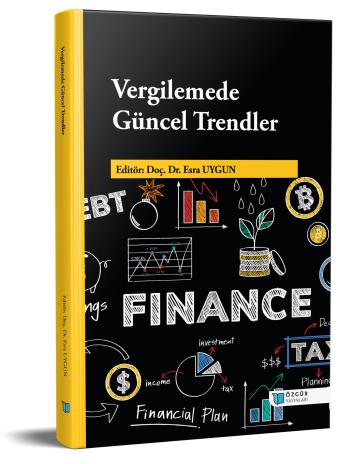
A Study on The Effects of Digitalization on Tax Administration
Chapter from the book:
Uygun,
E.
(ed.)
2025.
Current Trends in Taxation.
Synopsis
The rapid digitalization of the global economy is radically changing working styles, both at home and at work. Technological advancements have reshaped business models, value chains, lifestyles, and daily routines worldwide. To keep up with technological advancements, the digitalization of tax systems has become a necessity rather than a voluntary choice. In this sense, digital modernization in tax administrations minimizes risks while also providing certain conveniences for tax administrations. The integration of digital technologies into tax transactions reduces costs by shortening tax administration processes. The digital transformation in tax administration reduces bureaucratic hurdles and minimizes tax loss and evasion. Digital technologies are among the applications that support tax administrations in many aspects, such as easier tracking, efficiency, and analysis. The introduction of these applications in taxation has been found to have a significant impact on tax administrations. Digital technologies improve the working conditions of tax administration employees, allowing them to focus on more productive work. Through big data analysis obtained from various sources through digital technologies, individuals at risk of tax evasion can be easily identified. This study first addresses the digitalization of the tax administration and then addresses the digital taxation tools used by the tax administration. The study then examines the impact of digitalization on the tax administration from various perspectives. According to the results of the study, the use of digital technologies in tax administration transactions has increased the effectiveness of the tax administration by facilitating its work.
How to cite this book
License

This work is licensed under a Creative Commons Attribution-NonCommercial 4.0 International License.
Published
DOI
Categories
Copyright (c) 2025 Esra Uygun; Orçun Avcı- Hüseyin Akkaya- Birol Ubay- Sebiha Yıldız- Selçuk Buyrukoğlu- Yasemin Arıman- Ali Saklan- Osman Kağan Ergür- Rabia Tuğba Eğmir