
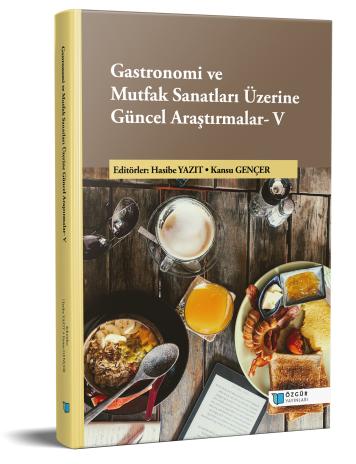
Evaluation of Plant-Based Functional Foods from a Sustainability Perspective
Chapter from the book:
Yazıt,
H.
&
Gençer,
K.
(eds.)
2025.
Current Research on Gastronomy and Culinary Arts- V.
Synopsis
Functional foods are defined as foods that aim to enhance quality of life by exerting beneficial effects on physiological and metabolic functions. Including both conventional and fortified products, functional foods provide various health benefits such as energy support, performance enhancement, improved skin health, and prevention of cardiovascular diseases. Their popularity is influenced by factors such as health awareness, consumer behavior, safety, cost, and cultural habits. Today, the depletion of natural resources, environmental pollution, loss of biodiversity, and exhaustion of soil and water reserves have become major global challenges. Moreover, approximately one-third of all food produced worldwide is lost or wasted, exacerbating both environmental and economic pressures. Consequently, the transition to sustainable production and consumption systems has become imperative. Plant-based nutrition emphasizes the consumption of plant-derived foods such as vegetables, fruits, whole grains, legumes, seeds, and nuts, while largely excluding animal products. This study is a qualitative review that systematically examines the scientific literature published between 2024 and 2025. Databases including ScienceDirect, PubMed, EBSCO, and Google Scholar were searched using keywords such as “functional foods,” “sustainable,” and “plant-based functional foods.” Findings indicate that plant-based functional foods, with their low carbon footprint, reduced water and energy consumption, high nutritional value, and strong bioactive properties, hold significant potential for sustainable diets. In this context, plant-based functional foods stand out as a strategic solution shaping the future of healthy and environmentally responsible nutrition.
How to cite this book
License

This work is licensed under a Creative Commons Attribution-NonCommercial 4.0 International License.
Published
DOI
Categories
Copyright (c) 2025 Hasibe Yazıt- Kansu Gençer; Atilla Akbaba- Alpay Tırıl- Müesser Korkmaz- Tarık Komşular- Aslı Muslu Can- Ayşen Develioğlu Arslan- Gülsüm Yurtseven- Hasan Samet Tandoğan- Mehmet Sedat İpar- Şüheda Hilal Güven- Gülsün Duran- Mert Can Tekeler- Begüm Dilara Emiroğlu- Betül Yeşiltepe Erkayıran- Mesut Mehmet Demirel- Gülnisa Turan- Hasibe Yazıt- Volkan Aslan