
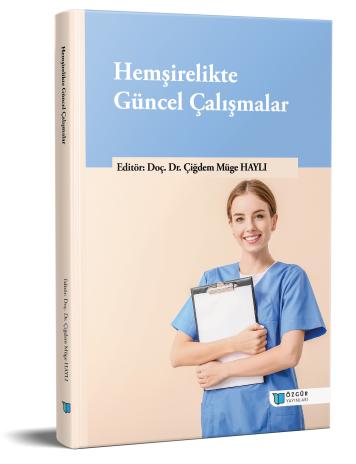
The Impact of Cosmetic Products for Women's Health on Carbon Footprint
Chapter from the book:
Haylı,
Ç.
M.
(ed.)
2025.
Current Studies İn Nursing.
Synopsis
The carbon emissions generated throughout the life cycle of cosmetic products have significant impacts on environmental sustainability and women's health. The extraction and processing of fossil-based raw materials during the production phase lead to high energy consumption and carbon emissions, while packaging production also increases the environmental burden. Road and air transport in the global supply chain generate significant CO₂ emissions; during the use phase, cosmetic products that are rinsed off in particular have a high carbon footprint due to hot water and energy consumption. Low recycling rates for plastic packaging in the disposal process increase greenhouse gas emissions.
Chemicals found in cosmetic products, such as parabens, phthalates, BPA, and heavy metals, can pose serious risks to women's health, including endocrine system disorders, neurological effects, and developmental problems. These risks are particularly pronounced during pregnancy and can lead to low birth weight and premature birth. The prevalence of endocrine disruptors causes long-term adverse effects on fertility and hormonal balance. In this context, it is important for healthcare professionals to advise women in particular on the ingredients of cosmetic products and to support the selection of natural, safe, and environmentally friendly products. Sustainable production methods, the use of renewable energy, packaging reduction, and refill systems contribute to reducing environmental impacts. Increased consumer awareness and strengthened regulatory policies play a key role in reducing both environmental and health-related risks.
Keywords:
How to cite this book
License

This work is licensed under a Creative Commons Attribution-NonCommercial 4.0 International License.
Published
DOI
Categories
Copyright (c) 2025 Çiğdem Müge Haylı; Elem Kocaçal- Burcu Ağdemir- Seçkin Karakuş- Ayşegül Erciyas- Gülcan Karabulut- Zeynep Daşıkan- Hanım Duru Yüce Başaran- Nazan Yıldız- Nihal Taşkıran- Süheyla Demirtaş Alpsalaz- Derya Öztürk Özen- Ümit Topcuoğlu