
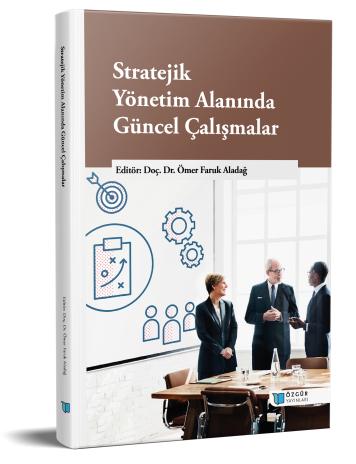
Stratejik İttifakların Kilit Başarı Faktörü: Sosyal Sermaye
Şu kitabın bölümü:
Aladağ,
Ö.
F.
(ed.)
2025.
Stratejik Yönetim Alanında Güncel Çalışmalar.
Özet
Bu bölümde, yöneticilerin sahip oldukları sosyal sermaye ile stratejik ittifak kurma eğilimi arasındaki ilişkiyi incelemek amaçlanmaktadır. İnceleme, işletmenin yöneticilerinden elde edilen nicel verilere dayanarak temellendirilmektedir. Veriler yüz yüze ve online anket tekniği ile 322 yöneticiden toplanmıştır. Bulguların elde edilmesinde; frekans analizleri, betimleyici istatistikler, faktör analizi ve korelasyon analizi uygulamalarından faydalanılmıştır. İnceleme sonuçlarına göre, stratejik ittifak eğilimi ile sosyal sermaye arasında pozitif yönlü bir ilişki vardır. Yani yöneticiler stratejik ittifak gerçekleştirirken sosyal sermaye boyutlarından etkilenerek karar vermektedirler. İlişki kurma ve sürdürme boyutunun, amaç ve eylem birliği üzerinde daha fazla etkisi oluyor. Güven telkin etmenin de amaç ve eylem birliği üzerinde orta düzeyde bir etkisi bulunuyor. Diğer boyutlar arasında ise düşük düzeyde pozitif yönlü bir ilişki mevcuttur. Beklendiği gibi sosyal sermaye boyutları, stratejik ittifak kurarken dikkate alınan önemli değişkenlerden birisidir.
Anahtar Kelimeler:
Kaynakça Gösterimi
Lisans

Bu çalışma Creative Commons Attribution-NonCommercial 4.0 International License ile lisanslanmıştır.
Yayın Tarihi
DOI
Kategoriler
Telif Hakkı (c) 2025 Ömer Faruk Aladağ; Duygu Kızıldağ- Neşe Öner Şeker- Muhammed Enes Kan- Eda Mert- Yunus Emre Taşgit- Merve Taşkın- Ayşegül Düzgün- Elif Genç-Tetik- İhsan Yiğit- Duygu Hıdıroğlu- Mustafa Avcın