
Yaşlı Bireylerde Öz-Bakım Gücü, Öz-Şefkat ve Hemşirelik Yaklaşımları
Şu kitabın bölümü:
Karakurt,
P.
&
Fırat,
M.
(eds.)
2025.
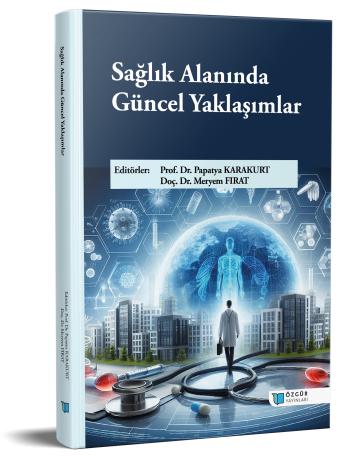
Sağlık Alanında Güncel Yaklaşımlar.
Özet
Öz-bakım, bireyin sağlığını sürdürmesi, iyilik halini koruması ve günlük yaşam aktivitelerini bağımsız olarak gerçekleştirebilmesi için gerekli davranış ve tutumları kapsayan temel bir kavramdır. Öz-bakım gücü ise bireyin bu davranışları planlama, uygulama ve sürdürebilme kapasitesini ifade eder ve yaşam kalitesi ile yakından ilişkilidir. Yaşlı bireylerde yaşlanmaya bağlı fizyolojik, psikolojik ve sosyal değişimler; kronik hastalıklar, çoklu ilaç kullanımı, duyusal kayıplar ve bağımlılık düzeyinin artması öz-bakım gücünü olumsuz etkileyebilmektedir. Orem’in Öz-Bakım Kuramı, yaşlı bireylerin evrensel, gelişimsel ve sağlıktan sapmaya bağlı öz-bakım gereksinimlerini anlamada önemli bir kuramsal çerçeve sunmaktadır. Öz şefkat ise bireyin zorluklar, başarısızlıklar ve acı verici yaşantılar karşısında kendine karşı anlayışlı, yargılayıcı olmayan ve destekleyici bir tutum geliştirmesini ifade eder. Öz nezaket, ortak yaşantı ve bilinçli farkındalık bileşenlerinden oluşan öz şefkat; psikolojik iyilik hali, yaşam memnuniyeti, stresle baş etme ve yaşlanmaya yönelik olumlu tutumlar ile ilişkilidir. Yaşlılık döneminde artan sağlık sorunları ve kayıplar karşısında öz şefkat, bireyin psikolojik dayanıklılığını güçlendiren önemli bir koruyucu faktör olarak öne çıkmaktadır. Hemşireler, yaşlı bireylerin öz-bakım gücü ve öz şefkat düzeylerinin geliştirilmesinde eğitim, danışmanlık, bakım verme ve değerlendirme rolleriyle kritik bir sorumluluk üstlenmektedir. Hemşirelik girişimleri; öz-bakım davranışlarının desteklenmesi, öz şefkatin kazandırılması, güvenli çevrenin sağlanması ve multidisipliner ekip iş birliği ile bütüncül bakımın sürdürülmesini kapsamaktadır.
Anahtar Kelimeler:
Kaynakça Gösterimi
Lisans

Bu çalışma Creative Commons Attribution-NonCommercial 4.0 International License ile lisanslanmıştır.
Yayın Tarihi
DOI
Kategoriler
Telif Hakkı (c) 2025 Papatya Karakurt- Meryem Fırat; Amine Nur Arıkan- Ayçin Köycekaş- Yahya Ateşpolat- Müdriye Yıldız Bıçakçı- Arif Caner Erdoğan- Bilgenur Karaçor- Mehmet Elmalı- Bürke Çırçırlı- Mert Can Emre- Cihan Adanaş- Sezai Özkan- Elem Kocaçal- Ertuğrul Sarı- İlyas Ün- Esra Kuran- Eren Canbolat- Mahir Coşkun- Azad Duman- Merve Kandazoğlu Erdem- Betül Karabudak- Simge Erdal- Meryem Fırat- Burcu Demir Gökmen- Mine Cengiz- Naime Çelik- Rauf Melekoğlu- Ayse Sebnem Erenler- Sanem Can Sarıoğlu- Esra Buğra- Deniz Uğur Cengiz- Selen Özdemir- Şeyda Yetginler Memiş- Ümit Topcuoğlu- Yasin Özden- Zehra Güveren- Gül Bülbül Maraş- Ahmet Utuş