
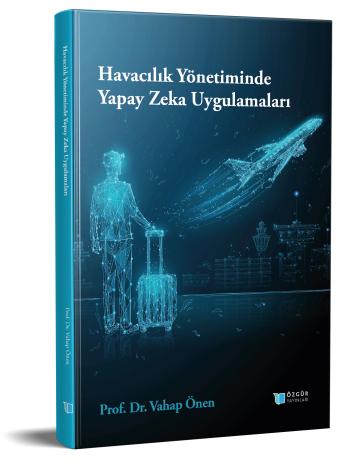
Uçuş Operasyonlarında Yapay Zekâ: Rapor Analizi ve Güvenlik İzleme
Şu kitabın bölümü:
Önen,
V.
(ed.)
2025.
Havacılık Yönetiminde Yapay Zeka Uygulamaları.
Özet
Havacılık sektörü, operasyonel güvenlik ve raporlama süreçlerinde dijital dönüşümü hızla benimsemektedir. Bu dönüşüm uçuş emniyeti, zaman yönetimi ve maliyet optimizasyonu açısından kritik bir öneme sahiptir. Bu bölümde uçuş operasyonlarında yapay zekâ (YZ) temelli çözümlerin rapor sınıflandırma ve güvenlik izleme süreçlerine entegrasyonu incelenmiştir. Özellikle Lufthansa Group tarafından geliştirilen “AI Co-Validator” projesi örnek olay olarak ele alınmış, projenin teknik altyapısı, operasyonel kazanımları ve stratejik etkileri detaylı biçimde tartışılmıştır. YZ, yalnızca büyük veri kümelerini yönetmekle kalmayıp, olayların bağlamsal analizini, örüntü tespiti ve risk öngörüsünü mümkün kılmaktadır. Sistem, çok dilli raporları işleyebilmekte, otomatik sınıflandırma ve güven skoru üretme yetenekleriyle karar destek sistemlerine katkı sağlamaktadır. AI Co-Validator, manuel raporlama süreçlerinin aksaklıklarını azaltmakta, işgücü ve zaman tasarrufu sağlamakta, operasyonel tutarlılığı artırmakta ve kurumsal hafıza oluşturulmasına yardımcı olmaktadır. Bunun yanı sıra etik, şeffaflık ve regülasyon boyutları da ele alınmış; açıklanabilir yapay zekâ (XAI) yaklaşımları, algoritmik önyargı riskleri ve yasal uyumluluk vurgulanmıştır. Türkiye bağlamında ise, yerli havacılık altyapısı ve SHGM düzenlemeleri, YZ tabanlı raporlama ve analiz sistemlerinin uygulanabilirliği açısından uygun bir zemin sunmaktadır. Türkiye’de faaliyet gösteren havacılık işletmeleri ve diğer yerli girişimler, yapay zekâ çözümlerinin operasyonel süreçlere entegre edilmesi ve yerli sistemlerin geliştirilmesi için fırsatlar yaratmaktadır. Bu bağlamda, YZ destekli sistemler sadece teknik bir yenilik değil, aynı zamanda uçuş güvenliğinde proaktif karar alma, verimlilik ve kurumsal öğrenme süreçlerini güçlendiren stratejik bir araç olarak ön plana çıkmaktadır.
Anahtar Kelimeler:
Kaynakça Gösterimi
Lisans

Bu çalışma Creative Commons Attribution-NonCommercial 4.0 International License ile lisanslanmıştır.
Yayın Tarihi
DOI
Kategoriler
Telif Hakkı (c) 2025 Vahap Önen; Mustafa Altıntaş- Seda Çeken- Teoman Erdağ- Elvan Karaarslan Göyenç- Tevfik Uyar- Ali Akbaba- Nil Konyalılar- Selvi Vural- Vahap Önen- Ayşe Küçük Yılmaz- Büşra Karakuş