
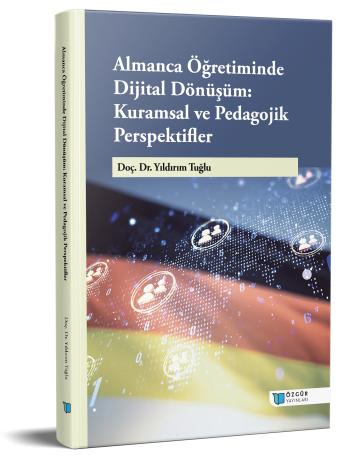
Almanca Öğretiminde Dijital Dönüşüm: Kuramsal ve Pedagojik Perspektifler
İndir
Özet
Bu kitap, Almanca öğretiminde dijitalleşmenin yalnızca teknik bir yenilik değil, aynı zamanda pedagojik ve kuramsal bir dönüşüm süreci olduğunu ortaya koymayı amaçlamaktadır. Dijital çağda yabancı dil öğretimi, öğrenme kuramlarından öğretmen ve öğrenci rollerine, değerlendirme anlayışından öğrenme ortamlarının yapısına kadar çok boyutlu bir yeniden düşünme gerektirmektedir.
Almanca Öğretiminde Dijital Dönüşüm: Kuramsal ve Pedagojik Perspektifler, dijital teknolojileri araç merkezli bir yaklaşımla değil; öğrenme kuramları, pedagojik ilkeler ve eleştirel eğitim anlayışı çerçevesinde ele almaktadır. Kitapta, davranışçı, bilişsel, sosyal etkileşimci ve yapılandırmacı kuramlar dijital öğrenme ortamları bağlamında yeniden yorumlanmakta; yapay zekâ, mobil öğrenme, dijital değerlendirme ve bütüncül görev tasarımları Almanca öğretimi özelinde tartışılmaktadır.
Kuram ile uygulamayı buluşturan bu eser; Almanca öğretmenleri, öğretmen adayları, akademisyenler ve lisansüstü öğrenciler için hem kavramsal bir çerçeve hem de pedagojik bir yol haritası sunmayı hedeflemektedir. Dijitalleşmeye eleştirel, bilinçli ve pedagojik temelli yaklaşmak isteyen herkes için kapsamlı bir başvuru kaynağı niteliğindedir.
Kaynakça Gösterimi
Lisans

Bu çalışma Creative Commons Attribution-NonCommercial 4.0 International License ile lisanslanmıştır.
Yayın Tarihi
ISBN
DOI
İstatistikler
Kategoriler
Telif Hakkı (c) 2026 Yıldırım Tuğlu