
The Conceptualization of "Digital Isolation": A Discussion Through the Lens of Family Intimacy, Screen Time, and Communication Quality
Chapter from the book:
Yelboğa,
N.
(ed.)
2026.
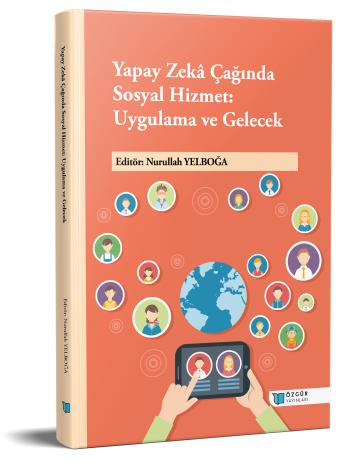
Social Work in the Age of Artificial Intelligence: Practice and Future.
Synopsis
This study examines the experience of loneliness produced by digitalization within the context of family relationships through a literature-based sociological analysis. Findings indicating an increase in forms of loneliness experienced within relationships, despite individuals becoming more socially connected with the widespread use of digital media, necessitate a reframing of the concept of loneliness. Accordingly, this chapter aims to discuss the concept of "digital loneliness" in the context of family intimacy, screen time, and communication quality. The study adopts a literature-based and concept-theory-oriented research approach, drawing on literature from sociology, social work, family studies, and digital media. The analyses show that digital loneliness, unlike social isolation, is characterized by emotional and interactional ruptures within relationships. Screen time is considered not merely a descriptive variable, but rather a context that transforms attention, time management, and communication practices. The study's fundamental contribution is to conceptualize digital loneliness not as an individual emotional state, but as a relational process arising from the erosion of communication quality and intimacy within family relationships. This framework provides a theoretical foundation for future empirical research aimed at understanding the effects of digitalization on family life.
How to cite this book
License

This work is licensed under a Creative Commons Attribution-NonCommercial 4.0 International License.
Published
DOI
Categories
Copyright (c) 2026 Nurullah Yelboğa; Safter Bozarslan- Hatice Hale Yurttabir- Merve Karaman- Bekir Altıok- Kamil Ateş- İrfan Yıldırım- Muhammed Yusuf Bulut- Selman Bölükbaşı- Kadri Kınık