
The Organizational Loyalty (Employee Loyalty)–Turnover Intention Dilemma: Psychological, Organizational, and Cultural Dynamics
Chapter from the book:
Mücevher,
M.
H.
(ed.)
2026.
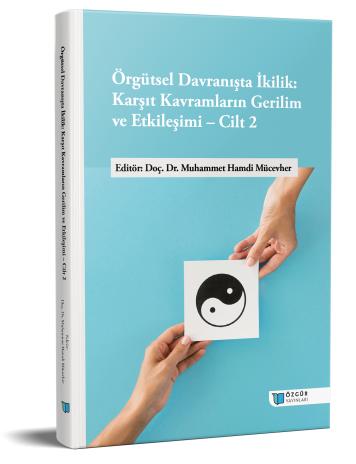
Dualism in Organizational Behavior: The Tension and Interaction of Opposing Concepts – Volume 2.
Synopsis
Organizational loyalty (employee loyalty) and intention to leave are two fundamental concepts closely related to each other in the organizational behavior literature. Organizational loyalty is considered as the employee's commitment, identification, and desire to remain with the organization; organizational commitment, on the other hand, refers to the individual's adoption of the organization's goals and values, willingness to exert effort for the benefit of the organization, and desire to continue membership in the organization. In this context, loyalty and commitment are considered indicators of the psychological bond the employee has established with the organization.
Intention to leave is defined as an individual consciously and deliberately considering leaving their current job and is considered one of the strongest predictors of actual job-leaving behavior. The literature contains findings that as the level of organizational commitment increases, the intention to leave decreases; conversely, as the level of commitment decreases, the intention to leave increases. Furthermore, variables such as job satisfaction, perceived organizational support, and alignment with organizational values are reported to influence both commitment and intention to leave.
Additionally, factors such as perceived organizational support, leadership style, fair work practices, and alignment with organizational values influence both commitment and intention to leave (Rhoades & Eisenberger, 2002; Allen, Shore, & Griffeth, 2003). For example, when employees feel valued and supported, their psychological bonds with the organization strengthen and their intention to leave decreases; conversely, perceived injustices and low support weaken commitment and increase intention to leave. Furthermore, organizational culture and the meaningfulness of work emerge as important factors determining employees' level of identification with the organization.
In conclusion, organizational loyalty and commitment are among the key attitudinal variables that reduce turnover intention; therefore, they are of strategic importance for organizations.
How to cite this book
License

This work is licensed under a Creative Commons Attribution-NonCommercial 4.0 International License.
Published
DOI
Categories
Copyright (c) 2026 Muhammet Hamdi Mücevher; Nurdan Oral Kara- Semanur Çelik- Mehmet Beşir Demirbaş- Büşra Aydoğan- Gülçin Gökçenur Karataş- Hilal Erturhan Işkın- Dilan Türk- Murat Karaçetin- Ebru Armutcu- Beyzanur Üstünbaş- Aysel Tamtamış Kurt- Vacide Ancın- Kübra Ağırkaya Çetintürk- İskender Çetintürk- Zeynep Duran- Derya Dinçer Gültekin- Kevser Sezer Korucu