
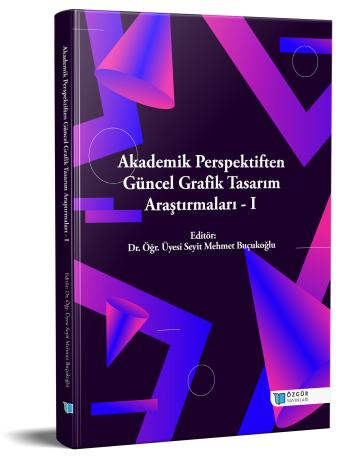
The Role of Color and Typography in Packaging Design in the Context of Graphic Design
Chapter from the book:
Buçukoğlu,
S.
M.
(ed.)
2026.
Current Research in Graphic Design from an Academic Perspective - I .
Synopsis
Packaging design is a multi-layered field of application that brings together the communication, aesthetic, and marketing dimensions of the graphic design discipline. In today's consumer environment, packaging has evolved beyond being a surface that protects the product to become a comprehensive graphic design product that makes brand identity visible, guides consumer perception, and influences purchasing decisions. Color and typography are two fundamental design elements that are decisive in the meaning production of packaging. This study aims to examine the functions of color and typography, which are located in the primary communication zone, by addressing packaging design within the discipline of graphic design. During the analysis process, these elements were evaluated in line with graphic design elements, design principles, and Gestalt perception principles, and the relationships between them were analyzed using selected examples. The primary communication areas of the packaging examined were analyzed based on the criteria of visual hierarchy, legibility, contrast, and visual integrity. The findings reveal that color and typography are not limited to aesthetic preferences; they are among the fundamental decision areas that determine the strategic direction of the design. The combined use of color and typography has a direct impact on brand continuity, product perception, and visual distinctiveness. The harmony between these two elements is considered one of the fundamental factors that determine the communicative power of packaging as a graphic design product.
How to cite this book
License

This work is licensed under a Creative Commons Attribution-NonCommercial 4.0 International License.
Published
DOI
Categories
Copyright (c) 2026 Seyit Mehmet Buçukoğlu; Çiğdem Tanyel Başar- Ayşegül Sezer- Ayfer Demirel- Çağdaş Topçu- Süeda Şatır Toruk