
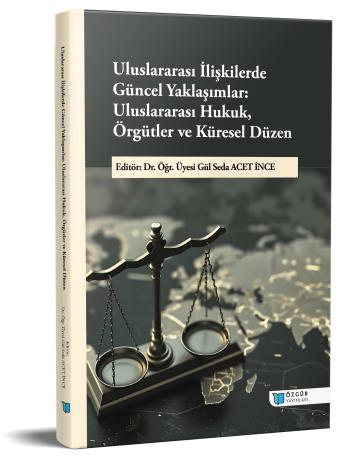
Energy Geopolitics in the New International System: Power Relations, Asymmetric Interdependence, and the Systemic Reconfiguration Effects of the Energy Transition
Chapter from the book:
Acet İnce,
G.
S.
(ed.)
2026.
Current Approaches in International Relations: International Law, Organizations, and the Global Order.
Synopsis
Energy has transcended its role as a mere production input in the twenty-first century international order, emerging as a structural element that directly shapes states' power hierarchies and global governance dynamics. This study analyzes the reconfiguration of energy geopolitics within the new international system through a comprehensive analytical framework grounded in power relations and asymmetric interdependence. The theoretical foundation of the study draws upon Susan Strange's concept of structural power and Farrell and Newman's weaponized interdependence approach. Within this framework, energy power is conceptualized not merely through resource ownership, but through network centrality, control over critical chokepoints, and the capacity to set technology standards.
The central argument of this study posits that the energy transition does not dissolve traditional geopolitical structures based on fossil fuels; rather, it reconfigures power relations in the international system by generating new patterns of asymmetric dependence through critical minerals, clean energy technologies, and digital infrastructures. The concentration of critical minerals such as lithium, cobalt, and rare earth elements in specific geographies creates dependency patterns even sharper than those associated with fossil fuels. The research adopts an interdisciplinary approach that synthesizes the literatures of international relations, international political economy, and energy studies through a qualitative-conceptual design.
By critically interrogating optimistic assumptions regarding the geopolitical consequences of the energy transition, this study demonstrates that the transition contains structural continuities. In this context, the article situates energy geopolitics on a theoretical foundation that explains the structural transformation of the global system, moving beyond narrow security analyses or mere market readings. Thus, energy is positioned as a constitutive mechanism and systemic variable that structures international politics.
How to cite this book
License

This work is licensed under a Creative Commons Attribution-NonCommercial 4.0 International License.
Published
DOI
Categories
Copyright (c) 2026 Gül Seda Acet İnce; Ahmet Üçağaç- Figen Aydın- Ayşe Gökçe Arslan- Burcu Gökatalay- Meliha Elif Güven- Hande Sapmaz- Zuhal Çalık Topuz- Canan Kışlalıoğlu- Sıddık Arslan- Burak Kurtcebe