
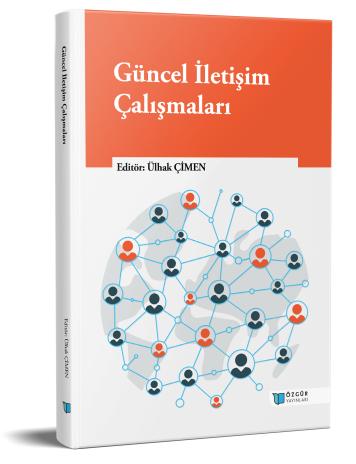
Dynamics of Micro-Power Relations in Digital Communication
Chapter from the book:
Çimen,
Ü.
(ed.)
2026.
Current Communication Studies.
Synopsis
This study seeks to develop an alternative perspective to the dominant macro-level analyses of power that shape much of the scholarship on digital communication. While platform capitalism, the data economy, and algorithmic ranking constitute the structural framework of the digital environment, this framework becomes operative through micro-level adjustments embedded in everyday interactions. Drawing on the concept of micropolitics, the article examines how design choices that appear merely technical in fact shape visibility, value attribution, and modes of expression. Feed architecture, recommendation systems, notifications, and metrics function as mechanisms that organize the circulation and prioritization of content within digital communication environments.
The second axis of the study focuses on micro-hierarchies emerging in user-to-user interactions. Follower counts and engagement rates become indicators of position within the digital field, while practices such as online shaming, pile-ons, and cancel culture illuminate how norms are produced and boundaries are drawn. In this context, power is conceptualized not as emanating from a single centralized authority, but as a relational phenomenon formed through repetitive patterns of interaction.
The final section turns to everyday strategies such as content filtering, withdrawal, and digital minimalism. Although these practices do not dismantle structural inequalities, they demonstrate that users are able to recalibrate their relationship with the digital environment. The study ultimately argues that the political dimension of digital communication is better understood through small-scale adjustments and everyday position-taking rather than through large-scale interventions alone.
How to cite this book
License

This work is licensed under a Creative Commons Attribution-NonCommercial 4.0 International License.
Published
DOI
Categories
Copyright (c) 2026 Ülhak Çimen; Bülent Öztürk- Gülden Demir- Şeyma Zübeyde Albakır- Oytun Efe Toy- Birgül Özkan- Yasemin Sarıçam