
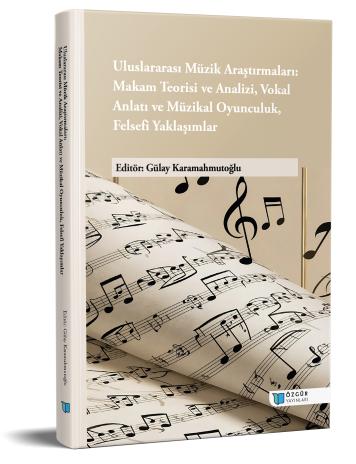
Historical Development, Genre Structure, and Performance Disciplines of Musical Theatre: The Narrative Function of Vocal Performance
Chapter from the book:
Karamahmutoğlu,
G.
(ed.)
2026.
International Music Studies: Makam Theory and Analysis, Vocal Narrative and Musical Acting, Philosophical Approaches.
Synopsis
This chapter examines the historical development, genre structure, and performance disciplines of musical theatre, with particular emphasis on the narrative function of vocal performance. Beginning with the ritualistic and performative practices of antiquity, the study traces how music, movement, and dramatic storytelling gradually evolved into distinct yet interrelated theatrical forms. The chapter highlights the emergence of key precursors such as operetta, vaudeville, revue, variety theatre, and music hall, demonstrating how each contributed to the hybrid aesthetic and dramaturgical foundations of modern musical theatre. These genres collectively shaped the conventions, narrative strategies, and performance vocabularies that continue to define the field.
The chapter further explores the core performance disciplines of musical theatre—acting, singing, and dance—arguing that these are not isolated skills but components of an integrated performance system. Musical theatre performers must negotiate a complex interplay between physical expressivity, vocal technique, and dramatic intention. Within this framework, vocal performance emerges as a central narrative agent rather than a purely musical element. Vocal timbre, stylistic choices, phrasing, and dynamic shaping function as expressive tools that articulate character psychology, emotional transitions, and shifts in dramatic action.
By situating vocal performance within the broader historical and genre-based evolution of musical theatre, the chapter demonstrates that singing operates as an extension of dramatic action and character development. Ultimately, the study positions musical theatre as a deeply interdisciplinary art form in which historical lineage, genre conventions, and performance practices converge to create a unique mode of storytelling grounded in the expressive and narrative power of the human voice.
How to cite this book
License

This work is licensed under a Creative Commons Attribution-NonCommercial 4.0 International License.
Published
DOI
Categories
Copyright (c) 2026 Gülay Karamahmutoğlu; Altun Burcu Çankaya- M. Arda Balkay- Selen Balkan Erem- Güncel Gürsel Artıkay