
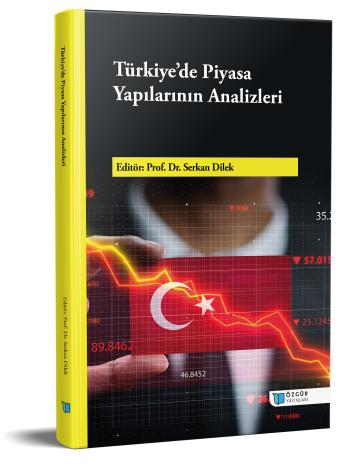
The Cultural Foundations of Digital Antisocial Behaviors: A Multilevel Analysis within the Framework of Preference Functions
Chapter from the book:
Dilek,
S.
(ed.)
2026.
The Analyses of Market Structures in Türkiye.
Synopsis
Digital antisocial behaviors, ranging from hate speech to trolling, are not merely the result of individual pathologies or moral deviations, but are instead outcomes of culturally structured preference functions. These actions are based on a dynamic reckoning between marginal benefits such as status, identity construction, and instant psychological satisfaction and social costs like exclusion, all shaped by the architecture of the digital ecosystem. The anonymity and low accountability provided by digital platforms foster deindividuation (losing one’s identity in a crowd), minimizing social costs, while algorithmic visibility turns negative externalities into rational gains for the actor. However, this rationality is not universal, boundaries of legitimacy are systematically redrawn by cultural dimensions such as Individualism, Power Distance, and Norm Tightness. For example, in individualist settings, ghosting or trolling may be tolerated as a sphere of personal autonomy, whereas in collectivist societies, the same acts are considered severe social violations, yet collective shaming can paradoxically be sanctified as a tool for maintaining social order. As a result, digital aggression emerges as a justified and socially embedded preference at the intersection of identity economics and technological incentives. Therefore, effective intervention requires not only prohibitive measures, but also an interdisciplinary policy architecture that recalibrates the perpetrators’ cost-benefit balance in favor of collective welfare. This perspective aims to reposition the root causes of digital violence within the framework of platform design and cultural rationality.
How to cite this book
License

This work is licensed under a Creative Commons Attribution-NonCommercial 4.0 International License.
Published
DOI
Categories
Copyright (c) 2026 Serkan Dilek; Ahmet Gürbüz- Şerafettin Okan Yayla- İbrahim Külünk- Yasemin Aysu Köksal- Harun Yakışık- Ömür Saltık- Filiz Bozağaç