
The Development and Theoretical Transformation of The Serious Leisure Concept
Chapter from the book:
Solunoğlu,
A.
(ed.)
2026.
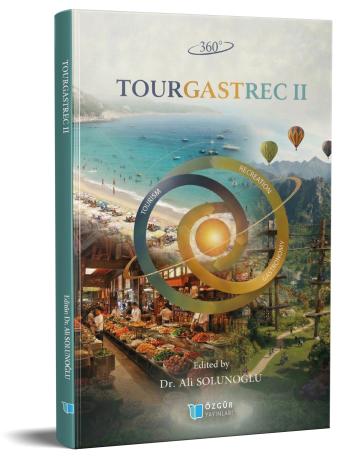
TOURGASTREC II.
Synopsis
This study examines the theoretical foundations and transformative trajectory of the serious leisure concept. In modern society, leisure is conceptualized not merely as time outside of work, but as a significant domain that shapes identity construction, social participation, and overall quality of life. Within this framework, the functional dimensions of leisure are addressed through the lenses of rest, diversion, and development, emphasizing that leisure activities vary according to their structural and experiential characteristics.
The theoretical axis of the study is grounded in the Serious Leisure Perspective developed by Robert A. Stebbins. Stebbins categorizes leisure activities into casual leisure, project-based leisure, and serious leisure, defining the latter through systematic effort, long-term commitment, and the notion of a “leisure career.” Serious leisure is characterized by distinctive features such as perseverance, personal effort, durable benefits, a unique ethos, and a strong identity.
In conclusion, serious leisure is conceptualized as a multidimensional process that transforms individuals from passive consumers into active producers and identity-bearing actors. In this respect, the concept extends beyond a purely recreational framework and offers a comprehensive sociological perspective linked to individual development, social belonging, and life satisfaction.
How to cite this book
License

This work is licensed under a Creative Commons Attribution-NonCommercial 4.0 International License.
Published
DOI
Categories
Copyright (c) 2026 Ramazan Göral; Ali Solunoğlu; Ebru Arıcı- Orhan Batman- Gizem Kandemir Altunel- Şehnaz Demirkol- Kübra Kıymet Arslan- Feyza Altun- Mustafa Emre Şirin- Suat Arpacı- Y. Kemal Özekici- Furkan Dursun- Dilek Karakaş- Canan Semint- Serkan Semint- Nuriye Demir- Betül Şahin- Hasan Cinnioğlu- Aysun Gargacı Kınay- Mehtap Baykal Erdoğan- Evrim Karaca- Ezgi Erşahin- Şehnaz Demirkol- Ayhan Başçı- Semra Akar Şahingöz- Selva Atınç- Hale Özgit- Şerif Ahmet Demirdağ- Cihan Yılmaz- Meliha Sena Yıldırgan- Pelin Candar- Özel Kılıç- Duygu Kırmızıkuşak- Mehmet Koçak- Mustafa Demirel- Halit Sökmen- Ahmet Can Göksun- Duran Kuru- Ece Rua Gülal- Sağbetullah Meriç- Yusuf Ormankıran