
Inheritance Models in Rare Diseases: Molecular Pathogenesis, Genotype–Phenotype Relationships, and Precision Medicine Perspectives
Chapter from the book:
Bayramcı,
N.
S.
(ed.)
2026.
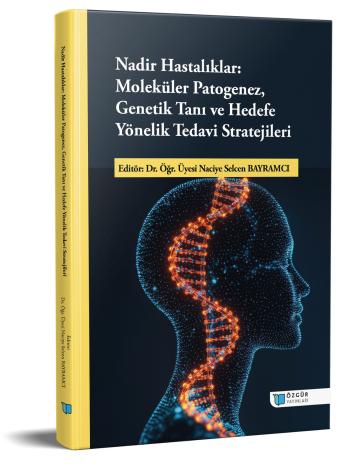
Rare Diseases: Molecular Pathogenesis, Genetic Diagnosis, and Targeted Therapeutic Strategies.
Synopsis
The vast majority of rare diseases are of genetic origin, and a comprehensive understanding of inheritance models is essential for elucidating their molecular pathogenesis, improving diagnostic accuracy, and developing targeted therapeutic strategies. Today, inheritance models are no longer regarded solely as mechanisms of transmission across generations but rather as integrated biological frameworks encompassing gene function, protein biology, cellular pathways, and genotype–phenotype relationships. In this chapter, autosomal dominant, autosomal recessive, X-linked dominant, X-linked recessive, Y-linked, mitochondrial, and complex/multifactorial inheritance models are examined from a contemporary molecular genetics perspective. Each inheritance model is discussed in relation to representative diseases, causative genes, their encoded proteins, molecular and cellular pathogenic mechanisms, phenotypic variability, genotype–phenotype relationships, and clinical management approaches. In addition, the impact of different inheritance models on disease severity, clinical heterogeneity, prognosis, and therapeutic response is evaluated. Recent advances in genomic technologies, next-generation sequencing, and functional genomics have substantially improved our understanding of the molecular basis of inheritance. These developments have contributed to more accurate disease classification, increased molecular diagnostic yield, and the broader implementation of precision medicine approaches. Collectively, inheritance-based classifications provide a fundamental framework for understanding the biological diversity of rare diseases and represent a cornerstone of modern genomic medicine.
How to cite this book
License

This work is licensed under a Creative Commons Attribution-NonCommercial 4.0 International License.
Published
DOI
Categories
Copyright (c) 2026 Naciye Selcen Bayramcı; Naciye Selcen Bayramcı- Filiz Turan- Dilan Yavuz- Filiz Karaoğlan- Rümeysa Demirkaya- Büşra Görgün- Bedrettin Selvi- Filiz Demir- Emel Canpolat- Berke Can Acar- Çağlar Berkel- Ergün Sümer