
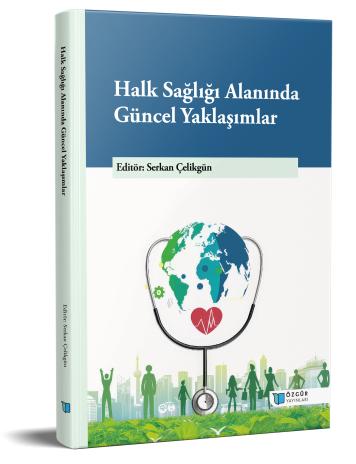
Inflammation and Polamines
Chapter from the book:
Çelikgün,
S.
(ed.)
2026.
Current Approaches in Public Health.
Synopsis
Today, inflammation is widely recognized as playing a crucial role in the pathogenesis of numerous diseases, including diabetes, cardiovascular diseases, autoimmune/rheumatic disorders, neurodegenerative diseases, and cancer. The defense response developed by the immune system against biological agents such as viral and bacterial factors, chemical stimuli such as toxic and allergic agents, and physical injuries such as trauma, accidents, and wounds is, under physiological conditions, a limited and tightly regulated process. However, when this response fails to resolve and becomes persistent, inflammation may become chronic, leading to disruption of metabolic homeostasis, increased cellular stress, and damage to healthy tissues.
In this review, the mechanisms of inflammation are discussed, with an evaluation of inflammatory responses that occur before and after infection and tissue injury. The review addresses how the inflammatory cascade is affected by tissue- and cell-mediated responses, as well as the molecular mechanisms involved in the regulation of these cascades. In addition, the functions and roles of polyamines, which are activated during post-inflammatory processes, in tissue repair and limitation of damage are examined; mechanisms involved in the elimination of reactive oxygen species that may contribute to tissue injury are also discussed. The relationships between polyamines and diseases that develop following adverse environmental and biological conditions, together with relevant clinical studies in this field, are also reviewed.
How to cite this book
License

This work is licensed under a Creative Commons Attribution-NonCommercial 4.0 International License.
Published
DOI
Categories
Copyright (c) 2026 Serkan Çelikgün; Özgür Karaarslan- Veysel Kenan Çelik- Arda Özdemir- Sinem Öztik