
Digital Reputation Management and Crisis Communication Strategies in Sports Clubs
Chapter from the book:
Uluç,
E.
A.
(ed.)
2026.
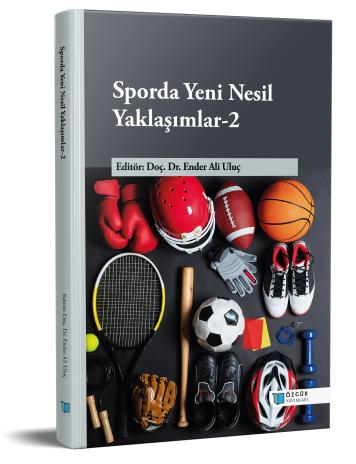
New Generation Approaches in Sport 2.
Synopsis
The communication structure of sports clubs is undergoing a significant transformation with the digitalization process. The transfer of corporate identity elements to digital platforms is changing the nature of interaction with fans and expanding the clubs' visibility. In this context, social media networks, official websites, and digital content platforms are becoming the primary communication channels for sports clubs.
Fan behavior is becoming more visible and influential within the interaction-based structure of digital environments. Fan participation in content production, commenting, and sharing contributes to the collective formation of club perception. This process transforms the one-way nature of communication flow, creating a multi-actor communication model.
Crisis communication and digital reputation management processes hold a decisive position in the communication strategies of sports clubs. Especially during crises, rapid information flow, transparency, and consistent message production play a crucial role in maintaining corporate trust. The speed-based nature of digital platforms necessitates that these processes be carried out more carefully and systematically.
In conclusion, the communication structure of sports clubs has transformed into a multi-actor, fast-paced, and continuously updated system with digital transformation. This system requires a holistic approach that includes both protecting corporate identity and managing fan relations.
How to cite this book
License

This work is licensed under a Creative Commons Attribution-NonCommercial 4.0 International License.
Published
DOI
Categories
Copyright (c) 2026 Ender Ali Uluç; Fuat Orkun Tapşın- Faik Orhun Tapşın- Cahit Akkaya- Günseli Duman- Tuğba Tezer- Numan Bahadır Kayışoğlu- Ferhat Aktaş